
African Grey Parrot
The Einstein of the Bird World
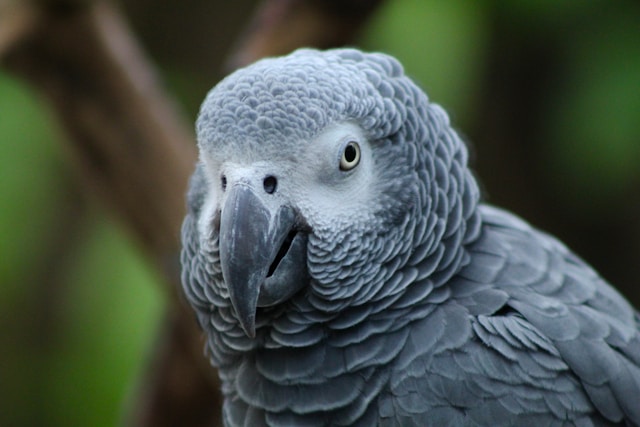
African Grey Parrots are renowned for their exceptional intelligence and remarkable speaking ability. These sophisticated parrots form deep bonds with their owners and require dedicated, experienced caretakers.
Why African Grey Parrots Make Special Companions
Exceptional Intelligence
Considered among the smartest animals on Earth. They can learn hundreds of words, understand concepts, and solve complex problems.
Unmatched Speaking Ability
Their clear speech and cognitive understanding of language is extraordinary. Many Greys use words in appropriate context rather than simple mimicry.
Deeply Bonding
African Greys form intense, loyal bonds with their chosen person. This connection is rewarding but requires significant time investment.
High Maintenance Needs
These sensitive birds require extensive mental stimulation, social interaction, and expert care. They're not suitable for casual pet owners.
Pros
- Most intelligent parrot species with remarkable cognitive abilities
- Exceptional speaking ability with clear articulation and context understanding
- Form incredibly deep, loyal bonds with their owners
- Long-lived companions that become true family members
- Fascinating to observe and interact with daily
Cons
- Extremely long lifespan of 40-60 years requires lifetime commitment
- Can develop severe behavioral problems if mental needs aren't met
- Prone to feather plucking from stress, boredom, or neglect
- Require experienced owners knowledgeable about parrot care
- Can be noisy with contact calls and vocalizations throughout the day
Care Requirements
What you need to know to keep your African Grey Parrot healthy and happy

Exercise
180 minutes daily
African Greys need 3-4 hours of supervised out-of-cage time daily. Provide foraging toys, puzzles, and interactive play. Mental stimulation is as important as physical activity.

Grooming
Daily spot cleaning, weekly deep clean
Clean food and water dishes daily. Vacuum around cage to control feather dust. Provide regular bathing opportunities. Trim wings, nails, and beak as needed by professionals.

Nutrition
High-quality pellet diet supplemented with vegetables, limited fruit, nuts, and seeds. Avoid avocado, chocolate, caffeine, and alcohol. Provide fresh water daily. Calcium supplements important.
Training Timeline
Building Foundation
Focus on building trust through consistent, gentle interaction. Allow your Grey to observe household activities from a safe distance while providing enrichment.
Basic Bonding
Introduce step-up training and target training. Begin speech training through clear repetition. Establish routine and consistency to build security.
Skill Development
Expand vocabulary and work on trick training. Introduce foraging activities and puzzle toys. Strengthen bond through shared activities and positive reinforcement.
Lifelong Learning
Continue training throughout their life. Introduce new challenges regularly. Maintain socialization with multiple people. Provide advanced mental stimulation.
Health Information
Common health concerns and prevention tips for African Grey Parrot
Common Health Issues
- Feather plucking and self-mutilation from stress or boredom
- Hypocalcemia causing seizures especially in young birds
- Respiratory infections and aspergillosis
- Psittacine beak and feather disease
- Atherosclerosis and heart disease in older birds
Prevention Tips
- Provide extensive mental stimulation and foraging opportunities daily
- Schedule annual wellness exams with an avian veterinarian
- Maintain balanced diet with adequate calcium and vitamin A
- Address behavioral issues immediately with professional help
- Ensure adequate sleep with 10-12 hours of darkness
Ready for an African Grey?
We've got everything you need to prepare for your new African Grey Parrot
Find African Grey Parrots Near You