
Budgerigar
The Perfect Starter Bird
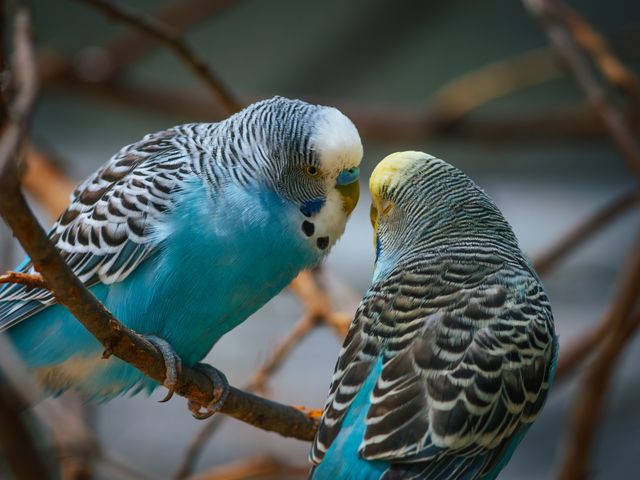
Budgerigars, commonly known as budgies, are small parakeets that make excellent first pets. Their intelligence, playful personality, and ability to mimic speech make them delightful companions for beginners.
Why Budgerigars Make Special Companions
Exceptional Talkers
Male budgies can learn hundreds of words and phrases. Their clear voices and eagerness to mimic make them entertaining conversationalists.
Affordable to Maintain
Small size means less food, smaller cage requirements, and lower overall costs compared to larger parrots.
Friendly & Social
Bond deeply with their owners. With proper handling, they become affectionate companions who enjoy interaction and play.
Beautiful Varieties
Available in stunning color mutations including blue, green, yellow, white, and violet. Each bird has unique markings.
Pros
- Intelligent and can learn to talk with clear vocabulary
- Small size makes them ideal for apartments and limited spaces
- Relatively low maintenance compared to larger parrot species
- Social birds that enjoy interacting with their owners daily
- Wide variety of colors and mutations available
Cons
- Require daily interaction and can become lonely without companionship
- Can be noisy with chattering and vocalization throughout the day
- Messy eaters that scatter seeds and feathers outside their cage
- Need regular flight time outside the cage for exercise and mental health
- Prone to respiratory issues if kept in drafty environments
Care Requirements
What you need to know to keep your Budgerigar healthy and happy

Exercise
60 minutes daily
Budgies need at least one hour of supervised flight time daily. Provide toys, ladders, and swings in their cage. Mental stimulation through foraging toys and interaction is essential.

Grooming
Daily light cleaning, weekly deep clean
Spot clean the cage daily. Remove uneaten food and clean food/water dishes. Deep clean cage weekly with bird-safe disinfectant. Provide shallow bath for feather care.

Nutrition
High-quality pellet diet as the base, supplemented with seeds, fresh vegetables, and fruits. Avoid avocado, chocolate, and caffeine. Provide fresh water daily. Cuttlebone for calcium.
Training Timeline
Settling In
Allow your budgie to adjust to their new environment quietly. Sit near the cage and speak softly to build trust through gentle presence.
Hand Taming
Offer treats through the cage bars. Once comfortable, place your hand in the cage with treats. Progress to finger training when the bird steps up willingly.
Basic Commands
Teach step-up and step-down commands. Introduce target training. Start speech training by repeating simple words clearly and consistently.
Advanced Tricks
Teach tricks like waving, spinning, or retrieving objects. Expand vocabulary through regular conversation and repetition. Strengthen bond through play.
Health Information
Common health concerns and prevention tips for Budgerigar
Common Health Issues
- Respiratory infections - watch for tail bobbing or difficulty breathing
- Scaly face mites - crusty buildup around beak and eyes
- French molt - abnormal feather loss in young birds
- Tumors and fatty liver disease from poor diet
- Egg binding in female birds
Prevention Tips
- Maintain consistent temperature away from drafts and direct sunlight
- Provide balanced nutrition with pellets as the main diet component
- Schedule annual vet checkups with an avian veterinarian
- Keep cage clean and disinfect regularly with bird-safe products
- Monitor for changes in droppings, appetite, or behavior
Ready to Welcome Your Budgie?
We've got everything you need to prepare for your new Budgerigar
Find Budgerigars Near You