
Canary
The Melodious Songbird
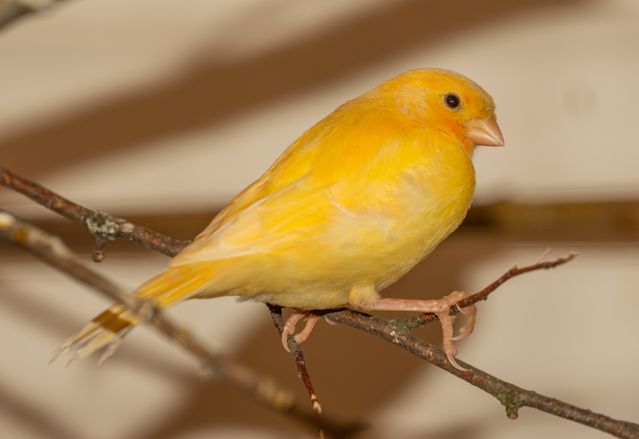
Canaries are cherished for their beautiful songs and vibrant colors. These gentle birds have been kept as companions for centuries, bringing joy through their cheerful melodies and striking appearance.
Why Canarys Make Special Companions
Beautiful Singing
Male canaries produce exquisite, complex songs that have delighted bird lovers for centuries. Each variety has its own unique song characteristics.
Stunning Colors
Available in brilliant yellow, orange, red, white, and variegated varieties. Color-bred canaries display truly breathtaking plumage.
Easy Maintenance
Canaries require minimal handling and are content in their cages. Perfect for busy households or those unable to keep more demanding pets.
Peaceful Nature
These solitary birds are generally peaceful and don't require constant companionship. Their calm presence adds tranquility to any home.
Pros
- Beautiful, complex songs that fill the home with melody
- Available in stunning color varieties and song types
- Low maintenance with no requirement for daily handling
- Generally peaceful and can be kept singly
- Long-lived for small birds at 10-15 years with good care
Cons
- Not handleable and prefer not to be touched
- Males sing primarily during breeding season
- Can be sensitive to drafts and temperature changes
- Require specific lighting for proper health and singing
- Limited direct interaction compared to parrot species
Care Requirements
What you need to know to keep your Canary healthy and happy

Exercise
0 minutes daily
Canaries exercise by flying within their cage. Provide a cage at least 24 inches long for adequate flight space. Multiple perches at varying heights encourage natural movement.

Grooming
Weekly cleaning
Clean food and water dishes daily. Replace cage paper weekly. Deep clean cage and accessories monthly. Provide shallow bathing dish several times weekly.

Nutrition
Quality canary seed mix as the staple, supplemented with egg food during molting and breeding. Offer vegetables and fruits occasionally. Provide fresh water daily. Cuttlebone essential.
Training Timeline
Settling In
Place your canary in a quiet location away from drafts and direct sunlight. Cover the cage at night to ensure 10-12 hours of darkness for rest.
Observation Period
Spend time quietly observing your canary to learn their normal behaviors, eating patterns, and song development. Ensure they're settling in well.
Routine Establishment
Establish consistent feeding and lighting schedules. Canaries thrive on routine. Provide full-spectrum lighting for optimal health and song development.
Ongoing Care
Continue providing appropriate nutrition and environment. Enjoy the developing song especially in males. Monitor health through behavior and appearance.
Health Information
Common health concerns and prevention tips for Canary
Common Health Issues
- Respiratory infections from poor air quality or drafts
- Air sac mites causing breathing difficulties and voice loss
- Egg binding in females
- Feather problems during molting periods
- Obesity and fatty liver from seed-only diet
Prevention Tips
- Maintain consistent temperature away from drafts and vents
- Provide full-spectrum lighting for optimal health
- Offer balanced diet beyond just seeds
- Ensure adequate sleep with covered cage at night
- Schedule annual wellness exams with an avian veterinarian
Ready for a Canary?
We've got everything you need to prepare for your new Canary
Find Canaries Near You