
Cockatiel
The Gentle Companion Bird
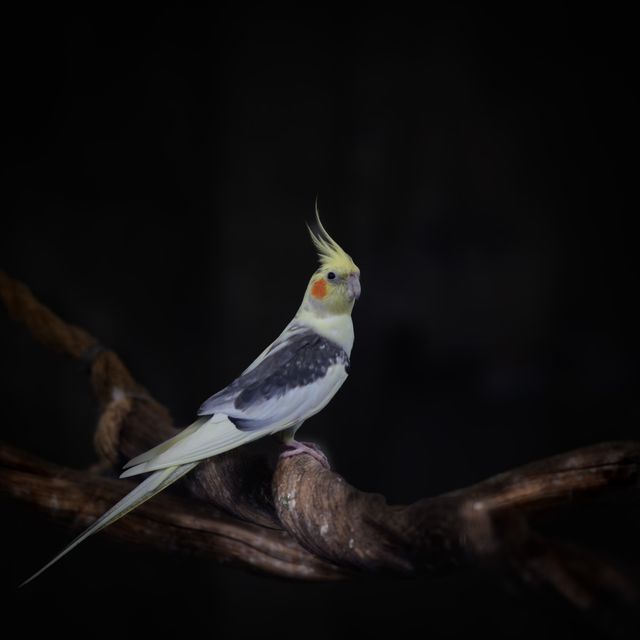
Cockatiels are beloved for their friendly personalities, expressive crests, and charming whistling abilities. These medium-sized parrots are perfect for families and first-time bird owners seeking an affectionate companion.
Why Cockatiels Make Special Companions
Natural Whistlers
Cockatiels are renowned for their whistling ability, especially males. They can learn tunes, songs, and even mimic household sounds like phones and doorbells.
Affectionate Nature
These birds genuinely enjoy human company and physical affection. Many cockatiels love head scratches and will happily perch on your shoulder.
Hardy & Resilient
Cockatiels are generally healthy birds that adapt well to various environments. They're less prone to stress-related issues than more sensitive parrot species.
Great with Families
Their gentle disposition makes them excellent around children when properly supervised. They bond with multiple family members rather than just one person.
Pros
- Gentle and affectionate temperament perfect for families
- Excellent whistling ability and can learn melodies
- Less demanding than larger parrots but more interactive than finches
- Generally healthy and hardy with proper care
- Expressive crest communicates their mood clearly
Cons
- Produce feather dust that can affect people with allergies
- Can be noisy with whistling and contact calls especially at dawn
- Require significant daily interaction to prevent behavioral issues
- Messy eaters and scatter seed hulls outside the cage
- Long lifespan requires long-term commitment
Care Requirements
What you need to know to keep your Cockatiel healthy and happy

Exercise
90 minutes daily
Cockatiels need 60-90 minutes of supervised out-of-cage time daily. Provide flying opportunities, climbing toys, and foraging activities. Mental stimulation is crucial.

Grooming
Daily spot cleaning, weekly deep clean
Clean food and water dishes daily. Vacuum around cage weekly to control feather dust. Provide shallow bathing opportunities. Trim nails when overgrown.

Nutrition
Base diet of quality pellets supplemented with seeds, vegetables, and occasional fruit. Avoid avocado, chocolate, and caffeine. Provide fresh water daily. Calcium supplement important.
Training Timeline
Acclimation Period
Allow your cockatiel to settle into their new environment. Spend quiet time near the cage speaking softly and offering treats through the bars.
Building Trust
Offer millet spray by hand to encourage stepping onto your finger. Move slowly and respect their body language. Never force interaction.
Basic Training
Teach step-up command consistently. Begin target training. Start whistling training by repeating simple tunes. Introduce gentle handling.
Advanced Bonding
Teach tricks like turning around or waving. Expand whistling repertoire. Strengthen your bond through shared activities and consistent positive reinforcement.
Health Information
Common health concerns and prevention tips for Cockatiel
Common Health Issues
- Respiratory infections - watch for tail bobbing or nasal discharge
- Night frights - thrashing episodes that can cause injury
- Egg binding in females without proper calcium and nesting areas
- Fatty liver disease from seed-only diets
- Psittacosis - bacterial infection transmissible to humans
Prevention Tips
- Use HEPA air filter to reduce feather dust in the home
- Provide balanced diet with pellets limiting seed to 20% or less
- Use night light to prevent night frights
- Schedule annual wellness exams with an avian veterinarian
- Provide adequate calcium through cuttlebone or mineral blocks
Ready to Meet Your Cockatiel?
We've got everything you need to prepare for your new Cockatiel
Find Cockatiels Near You