
Diamond Dove
The Gentle Miniature Dove
Diamond Doves are the smallest dove species, known for their gentle nature and distinctive diamond-shaped markings on their wings. These peaceful birds make excellent companions for bird enthusiasts.
Why Diamond Doves Make Special Companions
Unique Markings
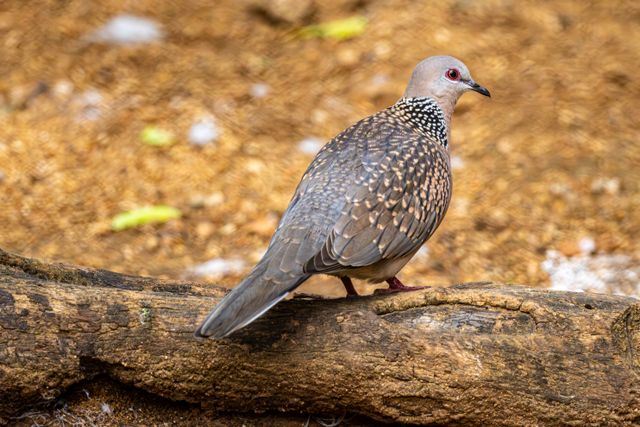
Named for the brilliant white diamond-shaped spots on their wings. Their soft gray plumage and orange eye-ring create a elegant and gentle appearance.
Gentle Nature
Known for their calm and peaceful temperament. They rarely show aggression and coexist well with other peaceful bird species in mixed aviaries.
Soft Vocalizations
Produce gentle cooing sounds that are pleasant and not loud. Their peaceful calls add ambiance without becoming disruptive or bothersome.
Long Companions
With proper care, Diamond Doves can live 10-15 years. Their relatively long lifespan for small birds makes them enduring companions.
Pros
- Gentle and peaceful temperament suitable for families
- Small size requires less space than larger doves
- Beautiful diamond wing markings are visually striking
- Soft cooing sounds are pleasant and not loud
- Can become quite tame with regular gentle handling
Cons
- Create significant dust from their powder down feathers
- Require regular cleaning to manage dander and droppings
- Need companionship and should not be kept alone
- Can be sensitive to cold temperatures
- Seed hulls can be messy around their enclosure
Care Requirements
What you need to know to keep your Diamond Dove healthy and happy

Exercise
45 minutes daily
Diamond Doves need space for flight and natural movement. Provide a cage with adequate horizontal space. Allow supervised flight time outside the cage when possible.

Grooming
Daily spot cleaning, weekly deep clean
Clean food and water dishes daily. Vacuum seed hulls regularly. Weekly deep clean of cage with bird-safe disinfectant. Provide shallow bathing dishes.

Nutrition
Quality dove seed mix as primary diet. Supplement with fresh leafy greens, vegetables, and occasional fruits. Provide grit for digestion and calcium supplements.
Training Timeline
Settling Period
Allow your Diamond Dove to adjust to their new home. Keep the environment calm and quiet. Establish consistent feeding routines to build security.
Trust Building
Sit near the cage while speaking softly. Offer treats through the bars. Move slowly and avoid sudden movements to build trust.
Hand Taming
Progress to offering treats from your hand inside the cage. Some Diamond Doves may become comfortable stepping onto your hand with patience.
Advanced Interaction
With continued gentle handling, Diamond Doves can become quite tame. Many enjoy sitting on shoulders and being held. Always move slowly and respectfully.
Health Information
Common health concerns and prevention tips for Diamond Dove
Common Health Issues
- Respiratory issues from dust and poor ventilation
- Parasitic infections including worms and mites
- Egg binding in breeding females
- Calcium deficiency affecting egg production
- Obesity from lack of exercise
Prevention Tips
- Provide excellent ventilation and regular cage cleaning
- Offer calcium supplements through cuttlebone
- Ensure adequate flight space for exercise
- Maintain stable temperature away from drafts
- Schedule annual vet checkups with avian specialist
Ready to Welcome a Diamond Dove?
We've got everything you need to prepare for your new Diamond Dove
Find Diamond Doves Near You