
Eclectus Parrot
The Strikingly Intelligent Companion
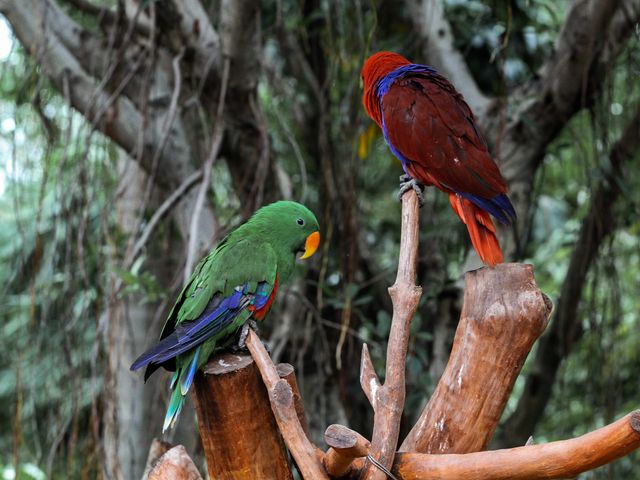
Eclectus Parrots are renowned for their extreme sexual dimorphism and exceptional talking ability. Males are vibrant green while females are stunning red and blue. These gentle, intelligent birds make wonderful companions for dedicated owners.
Why Eclectus Parrots Are Special Companions
Exceptional Talkers
Among the best talking parrots with clear, articulate speech. They can learn extensive vocabularies and understand context.
Stunning Dimorphism
Males are brilliant emerald green, females are vibrant red and blue. One of nature most dramatic sexual dimorphisms.
Gentle Temperament
Less aggressive than many parrot species. They are calm, affectionate, and rarely bite without provocation.
Unique Feather Structure
Their feathers have a delicate, hair-like texture unlike other parrots. They require special dietary considerations.
Pros
- Excellent talking ability with clear, human-like speech
- Gentle and less aggressive than most parrot species
- Beautiful and dramatic sexual dimorphism
- Generally quiet compared to other large parrots
- Long-lived companions for dedicated owners
Cons
- Specialized diet required due to unique feather physiology
- Can develop behavioral issues if neglected
- Require significant daily interaction and mental stimulation
- Long lifespan means a decades-long commitment
- Can be sensitive to environmental changes
Care Requirements
What you need to know to keep your Eclectus Parrot healthy and happy

Exercise
180 minutes daily
Eclectus parrots need at least 3 hours of supervised out-of-cage time daily. Provide opportunities for flying in safe spaces, climbing, and foraging activities. Mental stimulation through puzzle toys and training is essential.

Grooming
Daily maintenance
Mist feathers lightly 2-3 times weekly. Provide regular bathing opportunities. Clean cage daily with thorough weekly cleaning. Trim nails every 6-8 weeks by a professional.

Nutrition
Requires a specialized diet high in beta-carotene and fiber. Feed quality pellets, fresh fruits, vegetables, and limited seeds. Avoid excess vitamin-fortified foods which can cause feather pigment problems. Provide fresh water daily.
Training Timeline
Settling In
Allow your Eclectus to acclimate to their new environment quietly. Sit near the cage, speak softly, and offer treats by hand to build initial trust.
Step-Up Training
Begin target training and step-up commands using positive reinforcement. Use favorite treats and keep sessions short, 5-10 minutes, several times daily.
Socialization
Introduce your bird to new experiences, people, and environments gradually. Work on handling and gentle touch training. Begin vocabulary training with clear, consistent words.
Advanced Bonding
Continue speech training and trick development. Strengthen the bond through shared activities and mutual respect. Your Eclectus will continue learning throughout their long life.
Health Information
Common health concerns and prevention tips for Eclectus Parrot
Common Health Issues
- Feather plucking from stress or nutritional deficiencies
- Respiratory infections sensitive to household fumes
- Egg binding in females without proper nesting opportunities
- Nutritional deficiencies from improper diet
- Beak overgrowth requiring veterinary care
Prevention Tips
- Provide annual veterinary checkups with an avian specialist
- Maintain strict air quality - no candles, aerosols, or non-stick cookware
- Offer a varied, species-appropriate diet rich in natural fibers
- Provide ample mental stimulation and social interaction daily
- Monitor weight and feather condition regularly
Ready to Meet Your Eclectus Parrot?
We've got everything you need to prepare for your new Eclectus Parrot
Find Eclectus Parrots Near You