
Green Cheek Conure
The Playful Pocket Parrot
Green Cheek Conures are small parrots with huge personalities. Known for their playful nature, quiet voices, and affectionate temperament, they are ideal for those wanting parrot personality in a compact package.
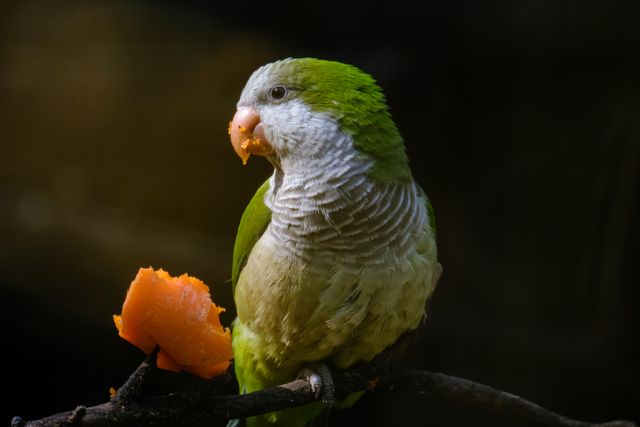
Why Green Cheek Conures Make Special Companions
Relatively Quiet
Among the quietest conure species. Their vocalizations are softer and less frequent than other parrots, making them apartment-friendly.
Natural Entertainers
These clowns of the parrot world love to play, tumble, and amuse. Their acrobatic antics provide endless entertainment for their owners.
Affectionate & Cuddly
Green cheeks enjoy physical interaction and will happily snuggle with their favorite person. Many learn to enjoy head scratches and gentle petting.
Beautiful Mutations
Available in stunning color varieties including normal, cinnamon, yellow-sided, turquoise, and pineapple mutations.
Pros
- Quieter than most conures and many other parrot species
- Small and compact but still have parrot personality
- Playful and entertaining with acrobatic abilities
- Affectionate and bond closely with their owners
- Generally hardy with fewer health issues than larger parrots
Cons
- Can be nippy especially during adolescence or hormonal periods
- Need daily interaction and can become bored without stimulation
- May become one-person birds if not properly socialized
- Chewing habits can damage furniture and household items
- Require regular nail trimming and wing clipping maintenance
Care Requirements
What you need to know to keep your Green Cheek Conure healthy and happy

Exercise
90 minutes daily
Green Cheeks need 60-90 minutes of supervised out-of-cage time daily. Provide climbing opportunities, foraging toys, and interactive play. Mental stimulation prevents boredom behaviors.

Grooming
Daily spot cleaning, weekly deep clean
Clean food and water containers daily. Remove uneaten fresh food promptly. Deep clean cage weekly. Provide bathing opportunities and trim nails when needed.

Nutrition
Quality pellet base supplemented with vegetables, fruits, and limited seeds. Avoid avocado, chocolate, and caffeine. Provide fresh water daily. Treats given in moderation.
Training Timeline
Settling Period
Allow your Green Cheek to adjust to their new home. Spend quiet time near the cage and speak softly to build trust through gentle presence.
Hand Taming
Offer treats by hand to encourage stepping onto your finger. Move slowly and respect body language. Begin target training with positive reinforcement.
Step-Up Training
Teach consistent step-up and step-down commands. Introduce handling and gentle petting. Begin simple trick training to build confidence.
Advanced Bonding
Teach tricks like turn around, wave, or retrieve. Expand vocabulary with simple words and sounds. Strengthen your bond through play and interaction.
Health Information
Common health concerns and prevention tips for Green Cheek Conure
Common Health Issues
- Respiratory infections indicated by breathing difficulties
- Feather plucking from boredom or stress
- Conure bleeding syndrome - blood clotting disorder
- Egg binding in females
- Obesity and fatty liver from poor diet
Prevention Tips
- Provide balanced diet with pellets as the main component
- Schedule annual wellness exams with an avian veterinarian
- Ensure adequate mental stimulation with appropriate toys
- Maintain consistent temperature away from drafts
- Provide opportunities for daily exercise and flight
Ready to Meet Your Green Cheek?
We've got everything you need to prepare for your new Green Cheek Conure
Find Green Cheek Conures Near You