
Green-wing Macaw
The Gentle Giant
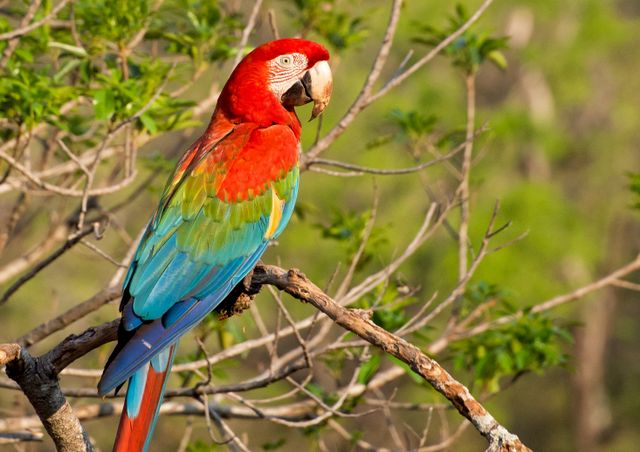
Green-wing Macaws are among the largest parrots, known for their brilliant red plumage with green wing bands. Their gentle temperament and intelligence make them extraordinary lifelong companions.
Why Green-wing Macaws Make Special Companions
Magnificent Beauty
Stunning red body with green wings and blue flight feathers. Their large size and brilliant colors make them one of the most visually impressive parrots.
Gentle Giants
Despite their size, Green-wings are known for their sweet and gentle nature. They form deep bonds with their owners and enjoy physical affection.
Highly Intelligent
Exceptionally smart birds that can learn extensive vocabularies and complex tricks. Their problem-solving abilities and curiosity require constant mental stimulation.
Lifelong Commitment
With potential lifespans of 50-60 years, these birds are truly lifelong companions. They require serious commitment but reward with decades of devotion.
Pros
- Gentle temperament compared to other large macaw species
- Highly intelligent with impressive talking ability
- Form incredibly strong bonds with their owners
- Stunningly beautiful with vibrant red plumage
- Long-lived companion for dedicated owners
Cons
- Require significant financial commitment for housing and care
- Need several hours of daily interaction and attention
- Very loud with powerful vocalizations
- Powerful beak can cause serious damage if not properly trained
- May outlive their owners requiring lifetime planning
Care Requirements
What you need to know to keep your Green-wing Macaw healthy and happy

Exercise
180 minutes daily
Green-wing Macaws need extensive daily out-of-cage time. Provide large play areas and opportunities for flight if possible. Mental stimulation through training and interactive toys is essential.

Grooming
Daily spot cleaning, weekly deep clean
Clean food and water dishes daily. Remove uneaten food promptly. Weekly deep clean of cage and perches. Provide shower opportunities using gentle misting.

Nutrition
High-quality pellet diet as foundation. Supplement with nuts, fresh vegetables, fruits, and limited seeds. Avoid avocado, chocolate, and caffeine. Provide fresh water daily.
Training Timeline
Settling In
Allow your macaw to adjust to their new environment. Maintain consistent routines and speak softly. Respect their need to observe before interacting.
Building Trust
Offer treats and spend time near the cage. Begin target training to establish communication. Be patient as these intelligent birds assess their new situation.
Basic Training
Teach step-up and step-down commands. Work on handling techniques to build confidence. Establish boundaries through positive reinforcement.
Advanced Training
Teach complex tricks, retrieve objects, and expand vocabulary. Continue training throughout their life to maintain mental engagement and strengthen bonds.
Health Information
Common health concerns and prevention tips for Green-wing Macaw
Common Health Issues
- Nutritional deficiencies from poor diet
- Feather plucking from stress or boredom
- Respiratory issues from poor air quality
- Beak and feather disease
- Obesity from lack of exercise
Prevention Tips
- Provide varied diet with pellets as main component
- Ensure extensive daily exercise and mental stimulation
- Maintain excellent air quality and ventilation
- Annual veterinary checkups with avian specialist
- Provide large cage and adequate out-of-cage time
Ready to Welcome a Green-wing Macaw?
We've got everything you need to prepare for your new Green-wing Macaw
Find Green-wing Macaws Near You