
Hyacinth Macaw
The Largest Flying Parrot
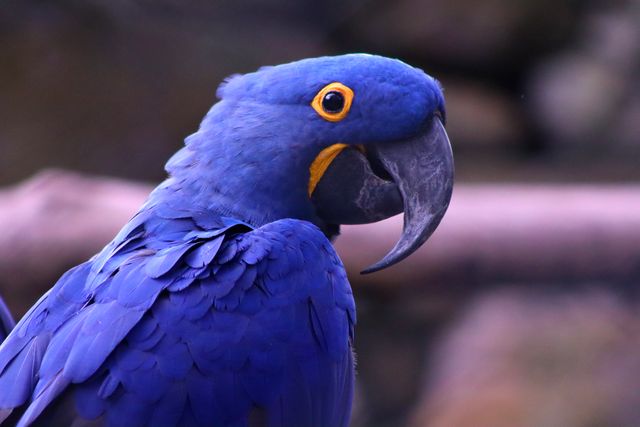
Hyacinth Macaws are the largest flying parrots in the world, known for their stunning cobalt-blue plumage and gentle personalities. These magnificent birds require dedicated care but reward owners with deep bonds and unforgettable companionship.
Why Hyacinth Macaws Are Magnificent Companions
Stunning Blue Beauty
Cobalt-blue plumage is among the most beautiful of all birds. Their size and color make them truly spectacular.
Gentle Giants
Despite their size, they are known for being gentle and affectionate. Their sweet temperament is unique among large macaws.
Exceptional Intelligence
Among the smartest of all parrots. Their problem-solving abilities and capacity for learning are remarkable.
Deep Bonds
Form intense, lasting connections with their owners. Their loyalty and affection are unmatched in the bird world.
Pros
- Stunning cobalt-blue beauty
- Gentle and affectionate temperament
- Exceptionally intelligent and trainable
- Deep bonding capacity
- Long-lived companion
Cons
- Extremely expensive to acquire and care for
- Requires massive space and specialized housing
- Powerful beak can destroy household items
- Significant financial commitment for lifetime care
- Multi-decade commitment requires estate planning
Care Requirements
What you need to know to keep your Hyacinth Macaw healthy and happy

Exercise
300 minutes daily
Hyacinth macaws need 5+ hours of out-of-cage time daily. They require significant space for flying and activities. Their powerful beaks need hard woods to chew. Mental stimulation is essential.

Grooming
Professional attention
Provide regular misting opportunities. Clean large cage daily with thorough weekly cleaning. Trim nails and beak as needed by avian specialists.

Nutrition
Hyacinths require specialized diet high in nuts, particularly macadamia and palm nuts. Feed quality pellets supplemented with fresh vegetables and fruits. Their dietary needs differ from other parrots.
Training Timeline
Settling Period
Allow your Hyacinth to acclimate to their new environment with minimal handling. Spend time nearby speaking softly to build trust.
Basic Training
Begin step-up training using positive reinforcement. Their intelligence allows for rapid learning with consistent methods.
Bonding and Socialization
Build trust through regular handling and interaction. Introduce new experiences and family members. Work on gentle handling techniques.
Advanced Development
Continue training and enrichment activities. Your Hyacinth will continue learning and bonding throughout their long life.
Health Information
Common health concerns and prevention tips for Hyacinth Macaw
Common Health Issues
- Proventricular dilatation disease (PDD)
- Nutritional deficiencies from improper diet
- Beak overgrowth requiring veterinary care
- Feather plucking from stress
- Respiratory infections from household fumes
Prevention Tips
- Schedule semi-annual veterinary checkups
- Provide specialized diet high in appropriate nuts
- Maintain excellent air quality free from fumes
- Provide massive amounts of daily enrichment
- Ensure the largest possible housing environment
Ready to Meet Your Hyacinth Macaw?
We've got everything you need to prepare for your new Hyacinth Macaw
Find Hyacinth Macaws Near You