
Indian Ringneck Parakeet
The Elegant Talking Parrot
Indian Ringneck Parakeets are stunning, intelligent parrots with remarkable speaking abilities. Their elegant appearance, playful nature, and impressive vocal talents have made them popular companions for centuries.
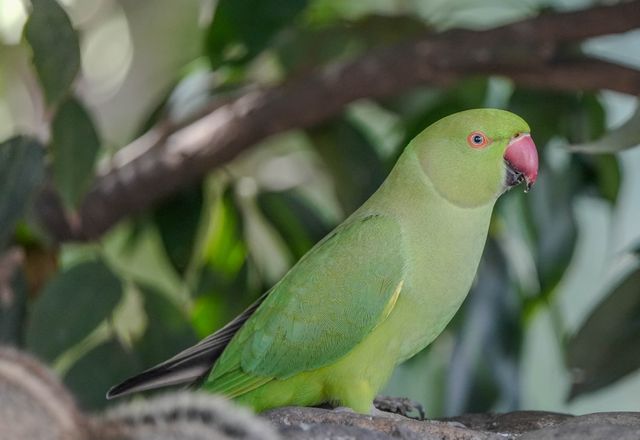
Why Indian Ringneck Parakeets Make Special Companions
Excellent Talkers
Ringnecks are among the best talking parrots. Their clear voices and ability to learn extensive vocabularies make them talented conversationalists.
Elegant Beauty
Available in stunning color mutations including green, blue, yellow, and white. Their long, elegant tails and sleek appearance are truly breathtaking.
Natural Performers
These active, playful birds love to entertain. Their acrobatic abilities and curiosity provide endless fascination for their owners.
Highly Intelligent
Ringnecks are quick learners who enjoy mental challenges. They can master tricks, solve puzzles, and learn complex behaviors with proper training.
Pros
- Exceptional talking ability with clear, distinct voices
- Available in many beautiful color mutations
- Intelligent and capable of learning complex tricks
- Long-lived companions with 25-30 year lifespan
- Playful and entertaining to observe and interact with
Cons
- Goes through a bluffing stage at 6-12 months with biting
- Can become aggressive without proper handling and training
- Require consistent daily interaction to remain tame
- Can be noisy with loud calls and vocalizations
- May become one-person birds if not socialized broadly
Care Requirements
What you need to know to keep your Indian Ringneck Parakeet healthy and happy

Exercise
120 minutes daily
Ringnecks need 2 hours of supervised out-of-cage time daily. Provide opportunities for flying, climbing, and exploration. Mental stimulation through training and toys is crucial.

Grooming
Daily spot cleaning, weekly deep clean
Clean food and water dishes daily. Remove uneaten fresh food promptly. Deep clean cage weekly. Provide regular bathing opportunities and trim nails when needed.

Nutrition
Quality pellet base supplemented with vegetables, fruits, and limited seeds. Avoid avocado, chocolate, and caffeine. Provide fresh water daily. Variety is key for health.
Training Timeline
Building Foundation
Focus on building trust through consistent interaction. Handle your ringneck daily to prevent the bluffing stage from becoming severe. Be patient through nipping phases.
Bluffing Stage Navigation
Continue handling through the bluffing stage with consistency. Don't react to bites. This phase passes with proper, continued socialization and training.
Skill Development
Begin speech training through clear repetition. Teach tricks and target training. Work on redirecting chewing to appropriate toys.
Advanced Training
Expand vocabulary and trick repertoire. Work on advanced behaviors and foraging skills. Maintain socialization with multiple people to prevent one-person bonding.
Health Information
Common health concerns and prevention tips for Indian Ringneck Parakeet
Common Health Issues
- Respiratory infections and aspergillosis
- Psittacine beak and feather disease
- Egg binding in females
- Feather plucking from boredom or stress
- Nutritional deficiencies from poor diet
Prevention Tips
- Maintain balanced diet with pellets as the base
- Schedule annual wellness exams with an avian veterinarian
- Provide adequate mental stimulation and interaction
- Maintain proper ventilation without drafts
- Continue training and socialization throughout their life
Ready for an Indian Ringneck?
We've got everything you need to prepare for your new Indian Ringneck Parakeet
Find Indian Ringnecks Near You