
Java Sparrow
The Handsome Finch
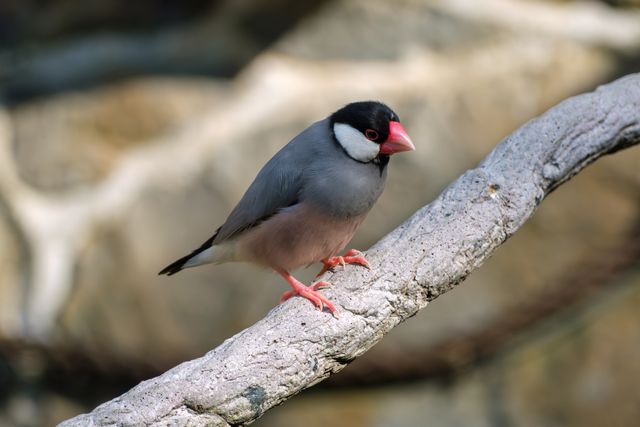
Java Sparrows are striking finches with their distinctive plumage and robust build. Native to Indonesia, these social birds are known for their gentle nature and beautiful appearance.
Why Java Sparrows Make Special Companions
Stunning Appearance
Known for their striking black head, pink beak, and rosy-pink bill. Their elegant gray body and white cheeks make them visually distinctive.
Social Creatures
Thrive in pairs or small groups. They enjoy the company of others and are less demanding of human attention than some other species.
Hardy Nature
Generally healthy birds that adapt well to captivity. With proper care, they prove robust and resilient in various environments.
Pleasant Sounds
Produce soft, melodic calls that are not overpowering. Their vocalizations are gentle and pleasant to hear throughout the day.
Pros
- Beautiful and distinctive appearance with striking coloration
- Peaceful temperament that suits aviary life well
- Relatively easy to care for with proper diet and housing
- Social birds that enjoy the company of their own kind
- Hardy constitution with good disease resistance
Cons
- Require warm temperatures and are sensitive to cold drafts
- Not as interactive with humans as some other bird species
- Need spacious aviaries or flight cages for optimal health
- Specific dietary requirements including live food and egg food
- Can be bullied by more aggressive species in mixed aviaries
Care Requirements
What you need to know to keep your Java Sparrow healthy and happy

Exercise
45 minutes daily
Java Sparrows need flight space and opportunities for natural movement. Provide a large flight cage or aviary. Include perches at different heights to encourage flying between them.

Grooming
Daily spot cleaning, weekly deep clean
Clean food and water dishes daily. Remove uneaten fresh food promptly. Weekly deep clean of cage with bird-safe disinfectant. Provide shallow bathing opportunities.

Nutrition
Quality finch seed mix as base, supplemented with millet sprays, egg food, and fresh greens. Provide live food like mealworms during breeding season. Always provide fresh water.
Training Timeline
Acclimation Period
Allow your Java Sparrows to settle into their new environment. Maintain quiet surroundings and consistent feeding routines to reduce stress.
Trust Building
Sit near the cage regularly while speaking softly. Offer treats through the bars to associate your presence with positive experiences.
Hand Feeding
Progress to offering treats from your hand inside the cage. Move slowly and respect their boundaries. Some individuals may never enjoy handling.
Advanced Interaction
Some Java Sparrows may learn to perch on fingers. Focus on building trust through consistent presence and gentle interaction rather than forcing handling.
Health Information
Common health concerns and prevention tips for Java Sparrow
Common Health Issues
- Respiratory infections from poor ventilation or temperature stress
- Parasitic infestations including mites and intestinal worms
- Egg binding in female birds during breeding season
- Obesity from lack of flight exercise
- Calcium deficiency affecting bone health
Prevention Tips
- Maintain stable temperature between 65-75F with no drafts
- Provide regular access to flight space for exercise
- Offer calcium supplements through cuttlebone or mineral blocks
- Practice strict hygiene with fresh food and water daily
- Schedule annual checkups with an avian veterinarian
Ready to Welcome Java Sparrows?
We've got everything you need to prepare for your new Java Sparrow
Find Java Sparrows Near You