
Lorikeet
The Colorful Nectar Feeder
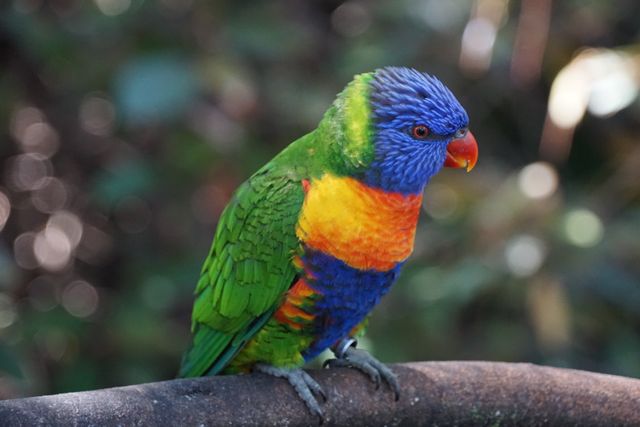
Lorikeets are stunningly colorful parrots known for their unique dietary needs and playful personalities. With their brush-tipped tongues designed for nectar feeding, these energetic birds are among the most visually spectacular companion birds.
Why Lorikeets Are Unique Companions
Spectacular Colors
Among the most colorful birds on Earth with brilliant blues, reds, greens, and yellows. Each species displays stunning plumage.
Specialized Diet
Unique brush-tipped tongues are adapted for nectar feeding. Require specialized diet unlike other parrots.
High Energy
Constantly active, playing, and exploring. Their energy is contagious but requires significant attention and space.
Vocal and Expressive
Communicate with various chatters, calls, and whistles. Some species can learn to talk with clear voices.
Pros
- Stunningly beautiful coloration
- Playful and entertaining personality
- Active and engaging companion
- Unique feeding behaviors to observe
- Some species can learn to talk
Cons
- Specialized diet requires specific preparations
- Messy eating habits
- Can be loud with shrill calls
- High energy needs significant attention
- Frequent droppings due to liquid diet
Care Requirements
What you need to know to keep your Lorikeet healthy and happy

Exercise
240 minutes daily
Lorikeets need 4+ hours of out-of-cage time daily. Provide ample flying space and opportunities for active play. Their high energy requires constant stimulation.

Grooming
Frequent attention
Clean cage frequently due to messy droppings. Provide regular misting or bathing. Excellent hygiene is essential due to their diet.

Nutrition
Feed specialized lorikeet nectar formula as diet base. Supplement with fresh fruits, vegetables, and pollen. Avoid seeds completely. Fresh water must always be available.
Training Timeline
Acclimation
Allow your lorikeet to adjust to their new environment. Spend time near the cage speaking softly and offering treats.
Basic Training
Begin step-up training using positive reinforcement. Use favorite treats and keep training sessions short and energetic.
Socialization
Introduce handling and new experiences. Work on redirecting high energy into appropriate activities and toys.
Advanced Training
Continue trick training and any speech work. Provide extensive enrichment to channel their boundless energy.
Health Information
Common health concerns and prevention tips for Lorikeet
Common Health Issues
- Nutritional deficiencies from improper diet
- Bacterial infections from messy droppings
- Feather plucking from boredom
- Respiratory infections from poor air quality
- Beak and feather disease
Prevention Tips
- Schedule annual veterinary checkups with avian specialists
- Feed proper specialized diet exclusively
- Maintain excellent hygiene due to droppings
- Provide extensive daily enrichment
- Ensure excellent air quality and ventilation
Ready to Meet Your Lorikeet?
We've got everything you need to prepare for your new Lorikeet
Find Lorikeets Near You