
Lovebird
Small Parrot with Big Personality
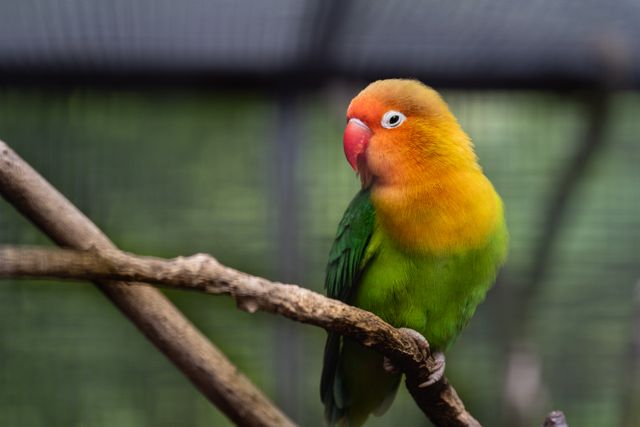
Lovebirds are charismatic, energetic parrots known for their affectionate nature and bold personalities. Despite their small size, they pack tremendous personality and form deep bonds with their owners.
Why Lovebirds Make Special Companions
Energetic & Playful
These active birds love to play, climb, and explore. Their acrobatic antics and curiosity provide endless entertainment for their owners.
Deeply Affectionate
When properly socialized, lovebirds form intense bonds with their humans. They enjoy cuddling, preening, and being close to their favorite person.
Stunning Colors
Available in beautiful mutations including peach-faced, Fischer's, and masked varieties. Their vibrant plumage comes in green, blue, yellow, and more.
Feisty Personality
Don't let their size fool you - lovebirds have big personalities. They're confident, curious, and not afraid to express themselves.
Pros
- Form strong bonds and enjoy close interaction with owners
- Active and entertaining to watch during play sessions
- Compact size suitable for smaller living spaces
- Long lifespan for a small bird at 10-15 years
- Beautiful color varieties and mutations available
Cons
- Can develop behavioral issues if left alone for long periods
- May become aggressive toward other birds or even their owners
- Require significant daily interaction and mental stimulation
- Can be nippy during hormonal periods or if poorly socialized
- Messy eaters that scatter food widely around their cage
Care Requirements
What you need to know to keep your Lovebird healthy and happy

Exercise
60 minutes daily
Lovebirds need at least one hour of supervised out-of-cage time daily. Provide plenty of toys, swings, and climbing opportunities. Rotate toys regularly to maintain interest.

Grooming
Daily spot cleaning, weekly deep clean
Clean food and water containers daily. Remove uneaten fresh food promptly. Deep clean cage and perches weekly. Provide bathing opportunities for feather health.

Nutrition
High-quality pellets should form the base of the diet. Supplement with seeds, vegetables, and limited fruit. Avoid chocolate, avocado, and caffeine. Provide fresh water daily.
Training Timeline
Adjustment Phase
Give your lovebird time to adjust to their new surroundings. Sit near the cage and speak softly to build recognition and trust through your presence.
Trust Building
Offer treats through the cage bars. Introduce your hand slowly with treats present. Respect their boundaries and never force handling.
Step-Up Training
Teach the step-up command using positive reinforcement. Begin target training for mental stimulation. Introduce handling and gentle petting if accepted.
Advanced Socialization
Teach tricks like turn around or wave. Expand vocabulary though limited compared to larger parrots. Maintain regular interaction to strengthen your bond.
Health Information
Common health concerns and prevention tips for Lovebird
Common Health Issues
- Respiratory infections indicated by tail bobbing or breathing difficulties
- Feather plucking from boredom, stress, or nutritional deficiencies
- Egg binding in females requiring immediate veterinary attention
- Psittacine beak and feather disease - viral condition
- Nutritional deficiencies from seed-only diets
Prevention Tips
- Provide varied diet with pellets as the primary component
- Schedule annual vet checkups with an avian specialist
- Ensure adequate mental stimulation with appropriate toys
- Maintain consistent temperature away from drafts
- Watch for changes in appetite, droppings, or feather condition
Ready to Meet Your Lovebird?
We've got everything you need to prepare for your new Lovebird
Find Lovebirds Near You