
Owl Finch
The Masked Beauty
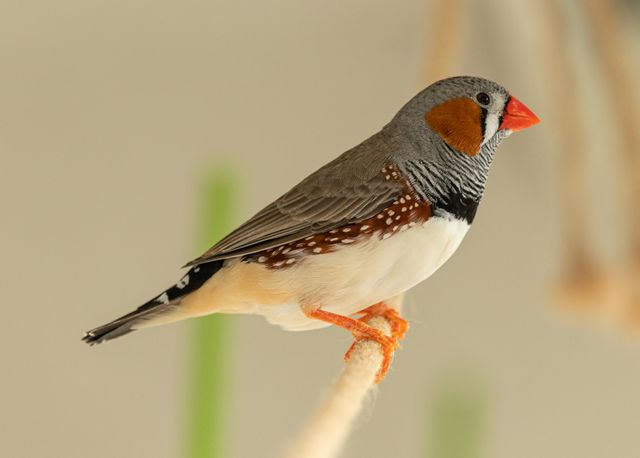
Owl Finches are charming Australian finches named for their distinctive facial markings resembling an owl face. Their social nature and unique appearance make them beloved by bird enthusiasts.
Why Owl Finches Make Special Companions
Distinctive Appearance
Named for their owl-like facial disc pattern. Their barred chest and dark face mask create a unique and charming appearance unlike any other finch.
Highly Social
Thrive in pairs or small groups. They enjoy preening each other and roosting together. Keeping them with other finches enhances their quality of life.
Active Birds
Spend much of their day flying, hopping, and exploring. Their constant activity makes them fascinating to watch as they move throughout their enclosure.
Peaceful Nature
Rarely aggressive toward other birds. Their gentle temperament makes them excellent additions to mixed finch aviaries with other peaceful species.
Pros
- Unique owl-like facial markings make them visually distinctive
- Peaceful temperament suitable for community aviaries
- Social birds that enjoy company of their own kind
- Active and entertaining to observe
- Generally hardy with proper care
Cons
- Require specific finch diet with egg food supplements
- Need companionship and should not be kept alone
- Can be sensitive to cold temperatures
- Not hand-tame and prefer minimal handling
- May be intimidated by more aggressive bird species
Care Requirements
What you need to know to keep your Owl Finch healthy and happy

Exercise
30 minutes daily
Owl Finches are naturally active and need space for flight. Provide a cage with horizontal flight space. Include multiple perches at varying heights to encourage natural movement patterns.

Grooming
Daily spot cleaning, weekly deep clean
Clean food and water containers daily. Remove uneaten fresh food promptly. Perform weekly deep cleaning with bird-safe disinfectant. Offer shallow bathing opportunities.

Nutrition
Quality finch seed blend as staple. Supplement with egg food, sprouted seeds, and leafy greens. Provide small insects during breeding season. Always provide fresh water.
Training Timeline
Acclimation
Give your Owl Finches time to adjust to their new environment. Maintain quiet surroundings and establish consistent feeding routines to help them feel secure.
Presence Training
Sit near their enclosure regularly while speaking softly. This helps them become accustomed to human presence without feeling threatened.
Treat Association
Offer favorite treats like millet sprays or egg food when approaching the enclosure. This builds positive associations with your presence.
Advanced Bonding
Continue gentle interaction and consistent routines. While Owl Finches rarely become hand-tame, they may become comfortable eating near you.
Health Information
Common health concerns and prevention tips for Owl Finch
Common Health Issues
- Respiratory infections from poor ventilation
- External parasites including mites and lice
- Egg binding in breeding females
- Nutritional deficiencies from seed-only diet
- Stress from isolation or bullying
Prevention Tips
- Provide balanced diet with egg food and fresh vegetables
- Maintain proper ventilation without cold drafts
- Keep in pairs or groups for social wellbeing
- Quarantine new birds before introduction
- Annual veterinary checkups recommended
Ready to Welcome Owl Finches?
We've got everything you need to prepare for your new Owl Finch
Find Owl Finches Near You