
Pacific Parrotlet
The Mighty Mini
Pacific Parrotlets are the smallest true parrots, packing massive personality into their tiny frames. Their intelligence, spunky attitude, and ability to talk make them exceptional companions in small packages.
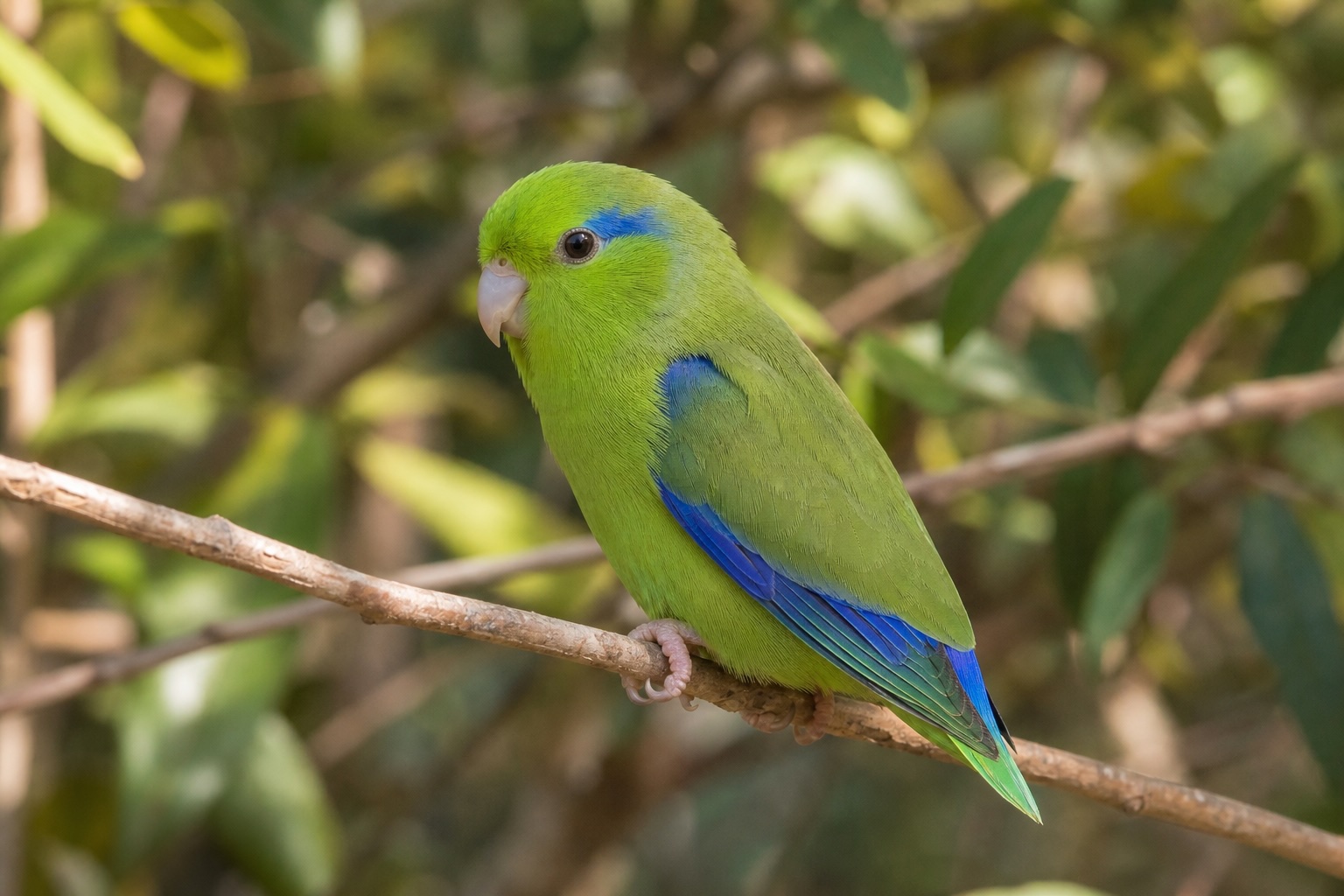
Why Pacific Parrotlets Make Special Companions
Big Personality
Despite their tiny size, they have enormous personalities. These confident little birds think they are much larger and are not afraid to assert themselves.
Highly Intelligent
Exceptionally smart for their size. They can learn to talk with surprisingly large vocabularies and enjoy learning tricks and solving puzzles.
Space Efficient
Their small size means they need less space than larger parrots. Perfect for apartment living where larger birds would not be practical.
Bonding Companions
Form strong bonds with their owners. They enjoy cuddling and interaction, often seeking attention from their favorite people throughout the day.
Pros
- Tiny size requires less space than larger parrots
- Intelligent with good talking ability
- Big personality in a small package
- Form strong bonds and are affectionate
- Long lifespan for such small birds
Cons
- Can be nippy and aggressive if not properly trained
- Require daily interaction and can become territorial
- May not get along with other bird species
- Can be noisy with frequent chattering
- Need consistent training to prevent behavioral issues
Care Requirements
What you need to know to keep your Pacific Parrotlet healthy and happy

Exercise
60 minutes daily
Parrotlets need daily out-of-cage time for flying and playing. Provide small toys appropriate for their size. Mental stimulation through training is essential for their intelligent minds.

Grooming
Daily spot cleaning, weekly deep clean
Clean food and water dishes daily. Remove uneaten fresh food. Weekly deep clean with bird-safe disinfectant. Provide shallow bathing opportunities.

Nutrition
High-quality small pellet diet as base. Supplement with seeds, fresh vegetables, and fruits. Avoid avocado, chocolate, and caffeine. Provide fresh water daily.
Training Timeline
Settling In
Allow your parrotlet to adjust to their new home. Despite their small size, they need time to feel secure. Maintain consistent routines.
Building Trust
Offer treats through cage bars and speak softly. Begin target training to establish communication. Be patient as these confident birds assess their new situation.
Basic Training
Teach step-up and step-down commands. Work on handling techniques to prevent nippiness. Establish boundaries through positive reinforcement.
Advanced Training
Teach tricks, expand vocabulary, and work on more complex behaviors. Their intelligence makes them fast learners when properly motivated.
Health Information
Common health concerns and prevention tips for Pacific Parrotlet
Common Health Issues
- Nutritional deficiencies from improper diet
- Respiratory infections from poor air quality
- Egg binding in female birds
- Feather plucking from boredom or stress
- Beak overgrowth without proper chewing opportunities
Prevention Tips
- Provide balanced diet with pellets as main component
- Ensure proper ventilation without cold drafts
- Offer appropriate toys for mental stimulation
- Provide calcium supplements for breeding females
- Schedule annual vet checkups with avian specialist
Ready to Welcome a Pacific Parrotlet?
We've got everything you need to prepare for your new Pacific Parrotlet
Find Pacific Parrotlets Near You