
Parrotlet
The Pocket-Sized Parrot
Parrotlets are tiny parrots with massive personalities. Despite being the smallest true parrots, they possess all the intelligence and spunk of their larger relatives in a compact, apartment-friendly package.
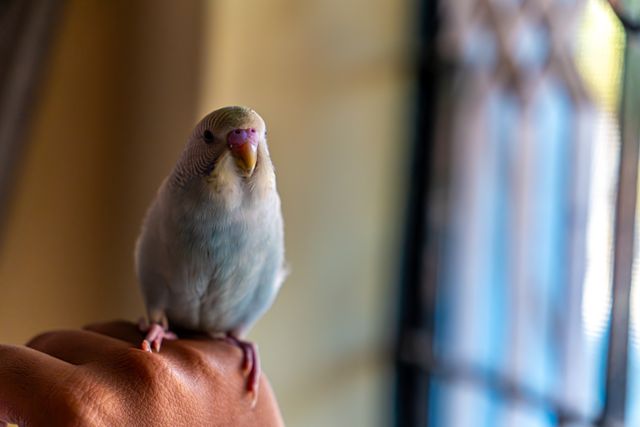
Why Parrotlets Make Special Companions
Big Personality
Don't let their size fool you - parrotlets have the confidence and attitude of macaws. They're fearless, curious, and full of character.
Surprisingly Intelligent
These clever birds can learn tricks, solve puzzles, and some even develop small vocabularies. Their intelligence rivals larger parrots.
Apartment Friendly
Their small size makes them perfect for apartments and smaller living spaces. They need less room than larger parrots while still providing parrot companionship.
Devoted Companions
When properly socialized, parrotlets form strong bonds with their owners. They can be affectionate and enjoy interaction with their favorite person.
Pros
- All the personality of a large parrot in a tiny package
- Intelligent and capable of learning tricks and limited speech
- Perfect size for apartment living and small spaces
- Long lifespan of 15-20 years with proper care
- Less expensive to maintain than larger parrot species
Cons
- Can be aggressive toward other birds and even their owners
- May develop dominance issues without proper training
- Require daily interaction and mental stimulation
- Can be nippy especially during hormonal periods
- Not as handleable as larger parrots for some individuals
Care Requirements
What you need to know to keep your Parrotlet healthy and happy

Exercise
60 minutes daily
Parrotlets need at least one hour of supervised out-of-cage time daily. Provide small toys appropriate for their size. Climbing opportunities and foraging activities are essential.

Grooming
Daily spot cleaning, weekly deep clean
Clean food and water dishes daily. Remove uneaten fresh food promptly. Deep clean cage weekly. Provide bathing opportunities and trim nails when needed.

Nutrition
High-quality small pellets as the base diet. Supplement with vegetables, fruits, and limited seeds. Avoid avocado, chocolate, and caffeine. Provide fresh water daily.
Training Timeline
Adjustment Phase
Allow your parrotlet to settle into their new environment. Spend quiet time near the cage speaking softly. Provide plenty of enrichment during this acclimation period.
Trust Building
Offer millet or other favorite treats by hand. Introduce your hand slowly into the cage. Establish yourself as the provider of good things.
Basic Training
Teach step-up command using positive reinforcement. Begin target training. Introduce simple tricks to build confidence and strengthen your bond.
Advanced Skills
Teach more complex tricks and foraging behaviors. Work on any behavioral issues like nipping or dominance. Maintain regular interaction and training sessions.
Health Information
Common health concerns and prevention tips for Parrotlet
Common Health Issues
- Respiratory infections indicated by breathing difficulties
- Egg binding in females
- Obesity from lack of exercise and poor diet
- Feather plucking from boredom or stress
- Beak overgrowth without proper chewing opportunities
Prevention Tips
- Provide balanced diet with pellets as the main component
- Ensure daily exercise and out-of-cage time
- Schedule annual wellness exams with an avian veterinarian
- Provide appropriate toys and perches for beak health
- Monitor for changes in behavior, appetite, or droppings
Ready for a Parrotlet?
We've got everything you need to prepare for your new Parrotlet
Find Parrotlets Near You