
Peach-faced Lovebird
The Vibrant Charmer
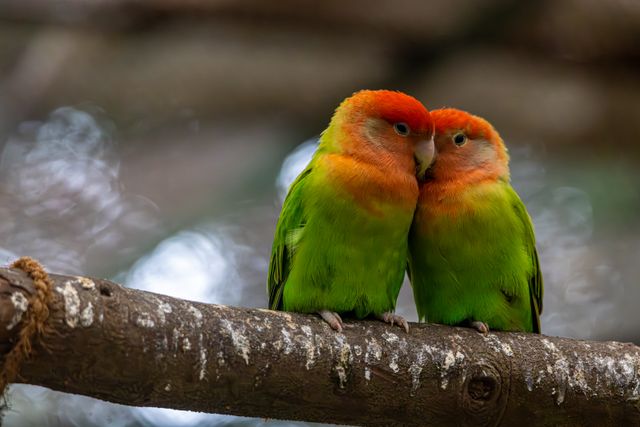
Peach-faced Lovebirds are small parrots known for their vibrant green plumage and striking peach-colored face. Their playful personality and affectionate nature make them beloved companions.
Why Peach-faced Lovebirds Make Special Companions
Stunning Colors
Vibrant green body with bright peach face and blue rump. Available in various color mutations including blue, yellow, and lutino variations.
Affectionate Nature
Form strong bonds with their owners. They enjoy cuddling and being held, often seeking physical contact and attention from their favorite people.
Playful Personality
Natural acrobats who love to climb, swing, and play. Provide plenty of toys to keep their active minds engaged and prevent boredom.
Chatty Companions
While not great talkers, they produce various chirps and whistles. Their vocalizations are enthusiastic and communicate their moods effectively.
Pros
- Vibrant and beautiful plumage in many color mutations
- Affectionate and bond closely with their owners
- Playful and entertaining personality
- Intelligent and can learn tricks
- Compact size requires less space than larger parrots
Cons
- Can be noisy with frequent chirping and vocalization
- Require significant daily interaction and attention
- May become nippy if not properly socialized
- Need variety of toys to prevent boredom
- Can be territorial and aggressive toward other birds
Care Requirements
What you need to know to keep your Peach-faced Lovebird healthy and happy

Exercise
60 minutes daily
Lovebirds need daily supervised time outside their cage. Provide climbing opportunities and interactive toys. Mental stimulation through foraging and puzzle toys is essential.

Grooming
Daily spot cleaning, weekly deep clean
Clean food and water dishes daily. Remove uneaten fresh food. Weekly deep clean with bird-safe disinfectant. Provide bathing opportunities several times weekly.

Nutrition
High-quality pellet diet as foundation. Supplement with seeds, fresh vegetables, fruits, and occasional treats. Avoid avocado, chocolate, and caffeine. Provide fresh water daily.
Training Timeline
Settling In
Allow your lovebird to adjust to their new environment. Speak softly and spend time near the cage to build familiarity through gentle presence.
Trust Building
Offer treats through the cage bars. Place your hand in the cage with treats. Progress to finger training when comfortable with your presence.
Basic Training
Teach step-up and step-down commands. Begin target training. Work on handling techniques to build confidence and reduce nippiness.
Advanced Tricks
Teach tricks like waving, spinning, or retrieving. Continue building bond through play and interaction. Some may learn to whistle simple tunes.
Health Information
Common health concerns and prevention tips for Peach-faced Lovebird
Common Health Issues
- Respiratory infections from poor air quality
- Nutritional deficiencies from seed-only diet
- Feather plucking from boredom or stress
- Egg binding in female birds
- Beak overgrowth without proper chewing opportunities
Prevention Tips
- Provide balanced pellet-based diet with fresh vegetables
- Ensure excellent ventilation without cold drafts
- Offer variety of toys for mental stimulation
- Regular veterinary checkups with avian specialist
- Monitor for changes in behavior, appetite, or droppings
Ready to Welcome a Peach-faced Lovebird?
We've got everything you need to prepare for your new Peach-faced Lovebird
Find Lovebirds Near You