
Pionus Parrot
The Underrated Gentle Companion
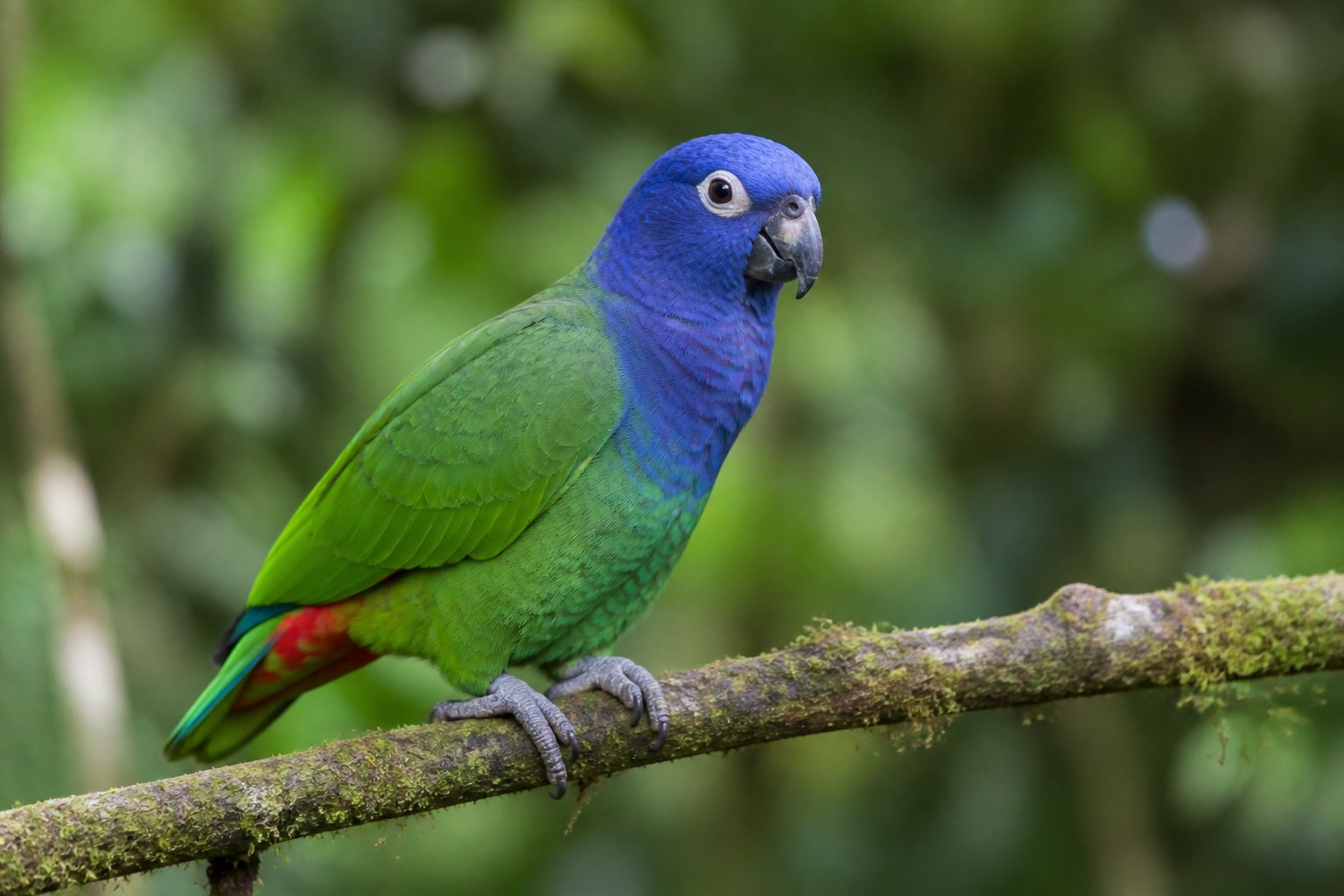
Pionus Parrots are gentle, quiet birds that often get overlooked despite making wonderful companions. Known for their calm demeanor and beautiful plumage, these medium-sized parrots are ideal for those seeking a less demanding feathered friend.
Why Pionus Parrots Are Underrated Gems
Quiet Nature
Among the quietest parrot species, making them excellent for apartments. They communicate with soft whistles and occasional chirps.
Gentle Disposition
Rarely aggressive and generally tolerant. Their calm nature makes them less prone to biting and behavioral issues.
Beautiful Plumage
Subtle iridescent colors in their feathers create stunning beauty. Different species feature blue, bronze, or coral-colored heads.
Adaptable
Handle changes in routine better than most parrots. They are content with moderate attention and do not demand constant entertainment.
Pros
- Quiet and suitable for apartment living
- Gentle temperament rarely showing aggression
- Lower maintenance than many parrot species
- Beautiful and unique coloration
- More independent than larger parrots
Cons
- Limited talking ability compared to other parrots
- Can be shy with strangers
- May become withdrawn if neglected
- Less playful and energetic than some species
- Respiratory issues more common in the genus
Care Requirements
What you need to know to keep your Pionus Parrot healthy and happy

Exercise
120 minutes daily
Pionus parrots need about 2 hours of out-of-cage time daily. They are less active than many parrots but still need room to stretch wings and explore. Provide climbing opportunities and rotate toys regularly.

Grooming
Regular care
Offer weekly misting or bathing. Clean cage thoroughly weekly. Provide perches of various sizes and textures. Trim nails every 6-8 weeks as needed.

Nutrition
Feed quality pellets with fresh vegetables and fruits daily. Seeds should be limited. Pionus are prone to obesity, so monitor weight carefully. Avoid excess vitamin A supplementation.
Training Timeline
Acclimation
Give your Pionus time to settle into their new home quietly. Sit near the cage and speak softly to build initial trust.
Basic Training
Begin step-up training using gentle positive reinforcement. Pionus respond well to patient, consistent training methods.
Socialization
Gradually introduce your bird to handling and new experiences. Work on building confidence through positive interactions.
Continued Bonding
Maintain regular interaction and continue building trust. While not eager performers, Pionus form deep, quiet bonds with their owners.
Health Information
Common health concerns and prevention tips for Pionus Parrot
Common Health Issues
- Respiratory infections more common than other parrots
- Obesity from sedentary lifestyle
- Fatty liver disease from poor diet
- Aspergillosis fungal infection
- Vitamin A deficiency from poor nutrition
Prevention Tips
- Schedule annual checkups with an avian veterinarian
- Maintain excellent air quality free from dust and fumes
- Provide a balanced diet with regular weight monitoring
- Ensure adequate ventilation in the housing area
- Watch for early signs of respiratory issues
Ready to Meet Your Pionus Parrot?
We've got everything you need to prepare for your new Pionus Parrot
Find Pionus Parrots Near You