
Quaker Parrot
The Charismatic Communal Parrot
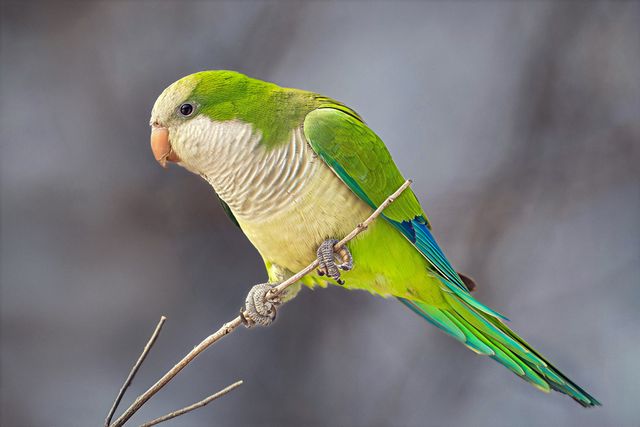
Quaker Parrots, also known as Monk Parakeets, are charismatic, intelligent birds with remarkable talking abilities. Their social nature, adaptability, and entertaining personalities make them beloved companions.
Why Quaker Parrots Make Special Companions
Excellent Talkers
Quakers are among the best talking parrots. Their clear voices, extensive vocabularies, and ability to use words in context make them fascinating companions.
Social Butterflies
These gregarious birds enjoy being the center of attention. Their playful, outgoing nature makes them entertaining members of active households.
Adaptable Nature
Quakers adjust well to various living situations. Their moderate size and adaptable personality make them suitable for many different home environments.
Natural Builders
In the wild, Quakers build elaborate communal nests. This building instinct translates to enjoyment of toys that can be manipulated and destroyed.
Pros
- Exceptional talking ability with clear, extensive vocabularies
- Social and interactive with their families
- Adaptable to various living situations and environments
- Playful and entertaining with engaging personalities
- Long-lived companions with 20-30 year lifespan
Cons
- Can be territorial and aggressive toward other birds
- Loud vocalizations especially during morning and evening
- Strong chewing habit can damage household items
- May become nippy during hormonal periods
- Illegal to own in some states due to agricultural concerns
Care Requirements
What you need to know to keep your Quaker Parrot healthy and happy

Exercise
120 minutes daily
Quakers need at least 2 hours of supervised out-of-cage time daily. Provide plenty of toys for chewing and manipulation. Flying opportunities and climbing are essential.

Grooming
Daily spot cleaning, weekly deep clean
Clean food and water dishes daily. Remove uneaten fresh food promptly. Deep clean cage weekly. Provide regular bathing and trim nails when needed.

Nutrition
Quality pellet base supplemented with vegetables, fruits, and limited seeds. Avoid avocado, chocolate, and caffeine. Provide fresh water daily. Monitor calcium intake.
Training Timeline
Settling In
Allow your Quaker to adjust to their new home. Spend time near the cage and speak softly to build trust. Begin establishing routines and boundaries immediately.
Basic Training
Teach step-up and step-down commands consistently. Begin target training. Start speech training through clear repetition. Address any territorial behaviors early.
Advanced Skills
Expand vocabulary and trick training. Work on redirecting chewing to appropriate toys. Continue socialization to prevent one-person bonding issues.
Lifelong Learning
Continue training throughout your Quaker's life. Provide ongoing mental stimulation. Maintain socialization with multiple family members. Monitor for behavioral issues.
Health Information
Common health concerns and prevention tips for Quaker Parrot
Common Health Issues
- Fatty liver disease from poor diet and lack of exercise
- Feather plucking from boredom or stress
- Respiratory infections and aspergillosis
- Egg binding in females
- Beak and feather abnormalities
Prevention Tips
- Provide balanced diet with pellets as the main component
- Schedule annual wellness exams with an avian veterinarian
- Ensure adequate exercise and mental stimulation daily
- Maintain proper ventilation and humidity
- Address behavioral issues promptly with professional help
Ready for a Quaker Parrot?
We've got everything you need to prepare for your new Quaker Parrot
Find Quaker Parrots Near You