
Ring-Necked Dove
The Peaceful Cooing Companion
Ring-Necked Doves are gentle, easy-going birds that make wonderful companions. Known for their soothing coos and calm demeanor, these doves are perfect for those seeking a low-maintenance feathered friend with a peaceful presence.
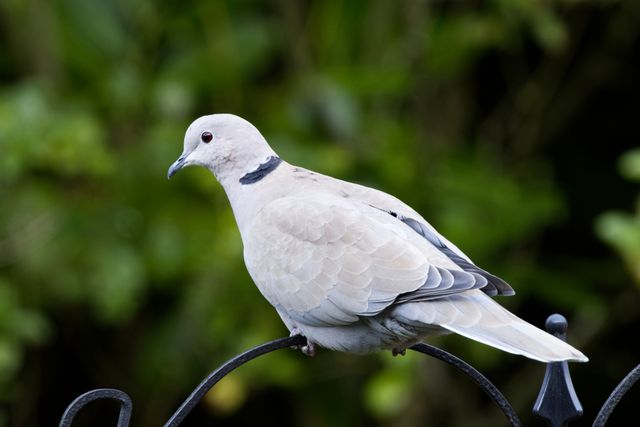
Why Ring-Necked Doves Make Perfect Companions
Soothing Sounds
Their gentle cooing is peaceful and pleasant. Much quieter than parrots, making them perfect for noise-sensitive households.
Docile Nature
Rarely aggressive and handle well. Their gentle temperament makes them safe for families and less experienced bird owners.
Easy Care
Less demanding than parrots with simple care requirements. They are content with basic care and attention.
Social Birds
Enjoy company and bond well with their owners. They are happiest when kept in pairs or with regular interaction.
Pros
- Quiet and soothing vocalizations
- Gentle and non-aggressive temperament
- Simple care requirements
- Good for beginners and families
- Beautiful soft plumage
Cons
- Cannot be taught to talk or mimic sounds
- Produce dust which may affect allergies
- Need regular cleaning due to droppings
- Less interactive than parrot species
- Require social companionship
Care Requirements
What you need to know to keep your Ring-Necked Dove healthy and happy

Exercise
120 minutes daily
Ring-Necked Doves need 2+ hours of supervised out-of-cage time daily. They enjoy flying in safe spaces and walking around. Provide a spacious area for stretching wings.

Grooming
Regular attention
Offer shallow bathing dishes 2-3 times weekly. Clean cage frequently as doves are messy. Provide perches of various sizes. No wing clipping recommended.

Nutrition
Feed quality dove or pigeon seed mix as the base diet. supplement with fresh leafy greens and vegetables. Provide grit for digestion and fresh water daily. Avoid avocado entirely.
Training Timeline
Settling In
Allow your dove to acclimate to their new environment quietly. Spend time near the cage speaking softly to build initial comfort.
Hand Taming
Begin offering treats by hand and gently encourage stepping onto your hand. Move slowly and patiently as doves are easily frightened.
Building Trust
Gradually increase handling time and interaction. Work on gentle touch and familiarity with being held. Always respect their comfort level.
Bonding Complete
Your dove should be comfortable with handling and interaction. Continue providing companionship and a peaceful, consistent environment.
Health Information
Common health concerns and prevention tips for Ring-Necked Dove
Common Health Issues
- Respiratory infections from dusty environments
- Canker (trichomoniasis) parasitic infection
- Egg binding in females without proper calcium
- Obesity from lack of exercise
- Mites and lice from poor hygiene
Prevention Tips
- Provide annual veterinary checkups with avian specialists
- Maintain clean, dust-free housing environment
- Ensure adequate calcium intake for females
- Provide regular flight exercise opportunities
- Practice good cage hygiene and cleaning routines
Ready to Meet Your Ring-Necked Dove?
We've got everything you need to prepare for your new Ring-Necked Dove
Find Ring-Necked Doves Near You