
Senegal Parrot
The Charming Pocket Parrot
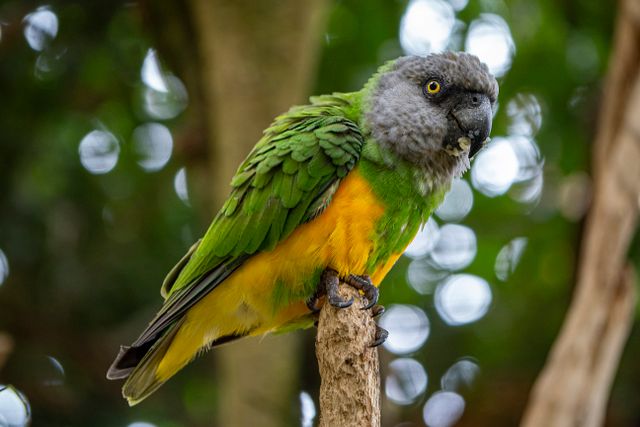
Senegal Parrots are compact, intelligent birds with big personalities. Known for their playful nature and talking ability, these charming African parrots form strong bonds with their owners while maintaining some independence.
Why Senegal Parrots Make Wonderful Companions
Good Talkers
Capable of learning dozens of words and phrases with clear voices. They are not the most vocal parrots but make their presence known.
Affectionate yet Independent
Form strong bonds but are less clingy than many parrots. They are happy to entertain themselves for periods when properly enriched.
Compact Size
Perfect for apartments or smaller homes. Their modest size makes them easier to accommodate than larger parrot species.
Beautiful Plumage
Distinctive gray head, green body, and yellow-orange vest create a striking appearance unique among parrots.
Pros
- Excellent talking ability for their size
- More independent than many parrot species
- Compact size suitable for various living situations
- Generally quieter than larger parrots
- Playful and entertaining personality
Cons
- Can become one-person birds if not socialized well
- May become nippy during hormonal periods
- Can be stubborn during training
- Require consistent social interaction
- Prone to obesity if diet is not managed
Care Requirements
What you need to know to keep your Senegal Parrot healthy and happy

Exercise
180 minutes daily
Senegal parrots need at least 3 hours out of cage daily. Provide opportunities for flying, climbing, and exploring. Rotate toys regularly to maintain interest and prevent boredom.

Grooming
Weekly care
Offer weekly bathing or misting. Clean cage thoroughly weekly while maintaining daily spot cleaning. Trim nails as needed by a professional.

Nutrition
Feed quality pellets as the diet base with fresh vegetables and fruits daily. Limit seeds and nuts to prevent obesity. Provide fresh water daily and avoid avocado and chocolate.
Training Timeline
Initial Bonding
Give your Senegal time to adjust to their new surroundings. Sit near the cage and speak softly to begin building trust and familiarity.
Basic Training
Start step-up training using positive reinforcement with favorite treats. Keep training sessions short at 5-10 minutes, multiple times daily.
Socialization
Introduce your bird to various people, experiences, and handling techniques. Work on preventing one-person bonding through early socialization with family members.
Skill Development
Continue speech training and teach tricks using positive methods. Maintain regular interaction and enrichment to keep your Senegal happy and well-adjusted.
Health Information
Common health concerns and prevention tips for Senegal Parrot
Common Health Issues
- Obesity from sedentary lifestyle and poor diet
- Feather plucking from boredom or stress
- Respiratory infections from airborne irritants
- Calcium deficiencies affecting bones and beak
- Aggressive behaviors if not properly socialized
Prevention Tips
- Provide annual veterinary exams with avian specialists
- Maintain a balanced pellet-based diet with limited seeds
- Ensure daily exercise and out-of-cage time
- Provide varied toys and foraging opportunities
- Socialize with multiple family members regularly
Ready to Meet Your Senegal Parrot?
We've got everything you need to prepare for your new Senegal Parrot
Find Senegal Parrots Near You