
Bengal
The Miniature Leopard
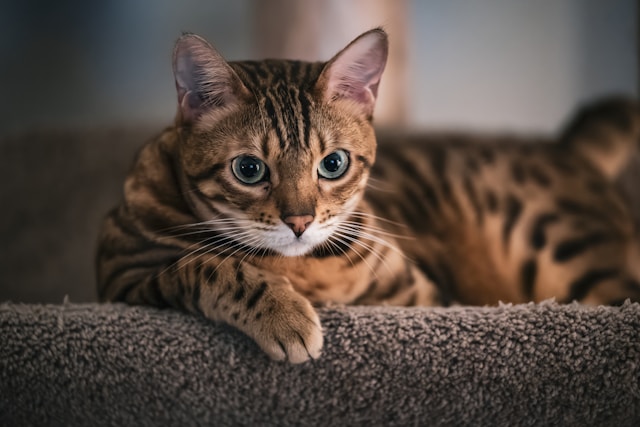
Bengals are exotic-looking cats with wild leopard-like spots and an athletic build. Despite their wild appearance, they're domestic cats with high energy, intelligence, and playful personalities.
Why Bengals Are the Most Exotic Domestic Cats
Stunning Wild Look
Bengals have distinctive spotted or marbled coats that look like miniature leopards. Their exotic appearance is truly unique.
High Energy
Bengals are extremely active and athletic. They love to run, jump, climb, and play. They need lots of stimulation and exercise.
Highly Intelligent
One of the smartest cat breeds, Bengals can learn tricks, solve puzzles, and even be trained to walk on a leash.
Loves Water
Unlike most cats, Bengals are fascinated by water. They may play in sinks, bathtubs, or even join you in the shower.
Pros
- Beautiful, exotic appearance
- Highly intelligent and trainable
- Very interactive and engaging
- Athletic and entertaining
- Generally healthy breed
Cons
- Very high energy - needs lots of stimulation
- Can be destructive if bored
- Requires experienced cat owners
- Can be vocal and demanding
- May not suit quiet households
Care Requirements
What you need to know to keep your Bengal healthy and happy

Exercise
45 minutes daily
Bengals need significant daily exercise. Provide tall cat trees, interactive toys, and play sessions. Consider leash walking for mental stimulation.

Grooming
Weekly brushing
Their short coat is easy to maintain. Weekly brushing removes loose hair. Their coat has a unique glittery sheen.

Nutrition
Feed high-quality, high-protein cat food. Active cats need adequate calories. Avoid grain-heavy foods. Fresh water should always be available.
Training Timeline
Early Socialization
Start socialization immediately. Bengals are naturally curious but need exposure to various experiences to prevent skittishness.
Training Start
Begin training sessions. Bengals can learn sit, fetch, high-five, and more. Use clicker training for best results.
Leash Training
Many Bengals take well to leash training. Start indoors and gradually introduce outdoor experiences in safe areas.
Advanced Activities
Consider cat agility, harness walking, or teaching complex tricks. Bengals thrive when given challenging activities.
Health Information
Common health concerns and prevention tips for Bengal
Common Health Issues
- Hypertrophic cardiomyopathy (HCM)
- Progressive retinal atrophy (PRA)
- Bengal blood type (rare but can cause issues)
- Patellar luxation
- Dental disease
Prevention Tips
- Buy from HCM and PRA-tested parents
- Regular cardiac screenings
- Annual eye examinations
- Provide adequate exercise
- Regular vet checkups
Ready to Meet Your Bengal?
We've got everything you need to prepare for your new Bengal
Find Bengal Breeders