
Burmese
The Dog-Like Devoted Companion
Burmese cats are devoted, dog-like companions known for playing fetch, following their owners everywhere, and staying kitten-like well into adulthood. Not to be confused with the Birman, this breed thrives on companionship and hates being left alone.
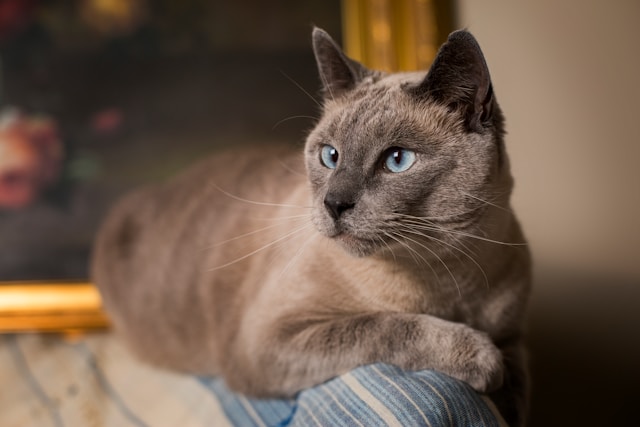
Why Burmese Cats Are the Dogs of the Cat World
Unbreakable Bond
Burmese form intense attachments to their people. They'll greet you at the door, follow you room to room, and settle in your lap at every chance.
Perpetual Kittens
This breed retains its kitten-like playfulness and curiosity well into adulthood. A 10-year-old Burmese still plays like a youngster.
Dog-Like Intelligence
Burmese can learn to fetch, come when called, and even walk on a leash. They respond to training more like dogs than typical cats.
Social Butterflies
They do poorly when left alone for long periods. Consider getting a second cat or choosing this breed only if someone is usually home.
Pros
- Deeply affectionate and devoted to their family
- Playful and kitten-like throughout their lives
- Trainable and eager to learn tricks like fetch
- Beautiful, low-maintenance satin coat
- Great with children and other pets
Cons
- Suffers from separation anxiety if left alone
- Can be demanding of attention and interaction
- Not suited for owners away from home all day
- More vocal than average, though softer than Siamese
- Prone to diabetes and cranial deformities in some lines
Care Requirements
What you need to know to keep your Burmese healthy and happy

Exercise
30 minutes daily
Burmese love interactive play, especially fetch. Provide climbing trees, wand toys, and puzzle feeders. They stay active throughout their lives and need daily engagement.

Grooming
Weekly brushing
Their short, satin-like coat requires minimal grooming. A weekly brush removes loose hair and keeps their coat gleaming. They shed very little compared to most breeds.

Nutrition
Feed high-quality cat food and monitor portions carefully. Burmese can be prone to weight gain and diabetes, so avoid free-feeding and stick to measured meals.
Training Timeline
Bonding Foundation
Begin building your bond immediately. Burmese kittens attach quickly. Handle them frequently and introduce household routines early.
Fetch & Tricks
Start teaching fetch with small toys. Burmese take to this naturally. Introduce clicker training for sit, come, and high-five.
Companion Training
If getting a second cat, introduce them now. Practice short alone-time intervals to build independence and prevent separation anxiety.
Ongoing Enrichment
Rotate toys and activities regularly. Burmese stay mentally sharp and need continued stimulation. Consider leash walks for adventurous cats.
Health Information
Common health concerns and prevention tips for Burmese
Common Health Issues
- Diabetes mellitus
- Hypokalemia (low potassium)
- Cranial deformities in some lines
- Corneal sequestrum (eye condition)
- Dental disease
Prevention Tips
- Maintain healthy weight with portion control
- Regular blood work to monitor glucose levels
- Buy from breeders who test for genetic conditions
- Annual veterinary checkups with dental exams
- Monitor eyes for any discoloration or squinting
Ready to Meet Your Burmese?
We've got everything you need to prepare for your new Burmese
Find Burmese Breeders