
Chartreux
The Smiling Blue Cat of France
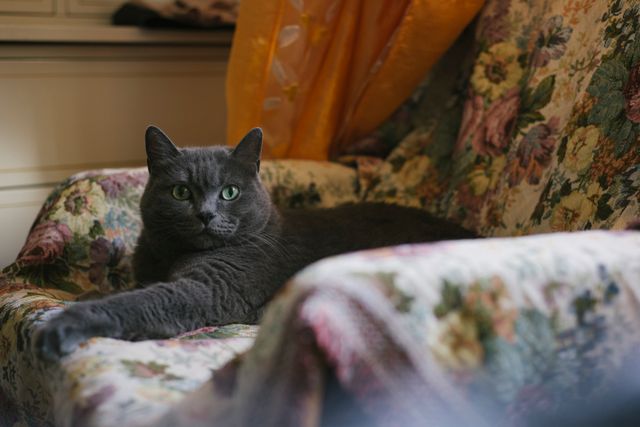
Chartreux are one of the oldest French cat breeds, prized for their dense blue-gray coats, copper eyes, and distinctive 'smile' created by the structure of their rounded heads. Often confused with the British Shorthair, they are quiet, observant, and ideal for working professionals.
Why Chartreux Are the Perfect Calm Companions
The Famous Smile
The Chartreux's rounded head and tapered muzzle create a permanent gentle smile. This sweet expression has charmed owners for centuries.
Ideal for Professionals
Unlike many breeds, Chartreux handle alone time well. They're content to observe and nap while you work, then greet you warmly when you return.
Water-Repellent Coat
Their dense double coat is almost woolly in texture and naturally water-repellent. It breaks like sheep's wool when parted and requires regular grooming.
Quiet Observers
Chartreux are notably quiet cats who prefer to watch before acting. Some rarely meow at all, communicating instead with chirps and trills.
Pros
- Calm and quiet - rarely meows or demands attention
- Handles alone time better than most breeds
- Gentle, adaptable temperament suits many lifestyles
- Beautiful, distinctive blue-gray coat and copper eyes
- Good with children, dogs, and other cats
Cons
- Dense coat requires regular grooming to prevent matting
- Can be reserved with strangers and slow to warm up
- Often confused with British Shorthair when purchasing
- Relatively rare breed - may be hard to find a breeder
- Males can become quite large and heavy
Care Requirements
What you need to know to keep your Chartreux healthy and happy

Exercise
20 minutes daily
Chartreux enjoy moderate play but are not hyperactive. Provide interactive toys, climbing spots, and short daily play sessions. They appreciate puzzle feeders that engage their observant nature.

Grooming
Two to three times weekly
Their dense, woolly double coat needs regular combing to prevent matting and distribute natural oils. During shedding season, increase grooming frequency. Avoid excessive bathing as it strips the water-repellent quality.

Nutrition
Feed high-quality cat food in measured portions. Males especially can become overweight given their large frame. Avoid free-feeding and ensure fresh water is always available.
Training Timeline
Gentle Introduction
Chartreux kittens are observant and cautious. Allow them to explore at their own pace. Start grooming routines early to accustom them to coat care.
Confidence Building
Gradually introduce new people and experiences. Chartreux are not naturally bold, so patient socialization builds lasting confidence without overwhelming them.
Interactive Skills
Teach basic commands using gentle positive reinforcement. Chartreux respond well to calm, consistent training. They can learn fetch and come when called.
Independent Routine
Establish a comfortable routine. Chartreux thrive on predictability. Provide enrichment for when you are away and maintain regular grooming and play schedules.
Health Information
Common health concerns and prevention tips for Chartreux
Common Health Issues
- Patellar luxation (kneecap displacement)
- Polycystic kidney disease (PKD)
- Urinary tract issues
- Dental disease
Prevention Tips
- Buy from breeders who screen for patellar luxation
- Ultrasound screening for polycystic kidney disease
- Monitor urinary health and ensure adequate hydration
- Regular dental care and veterinary checkups
- Maintain healthy weight to reduce joint stress
Ready to Meet Your Chartreux?
We've got everything you need to prepare for your new Chartreux
Find Chartreux Breeders