
Cornish Rex
The Sleek Curly-Coated Athlete
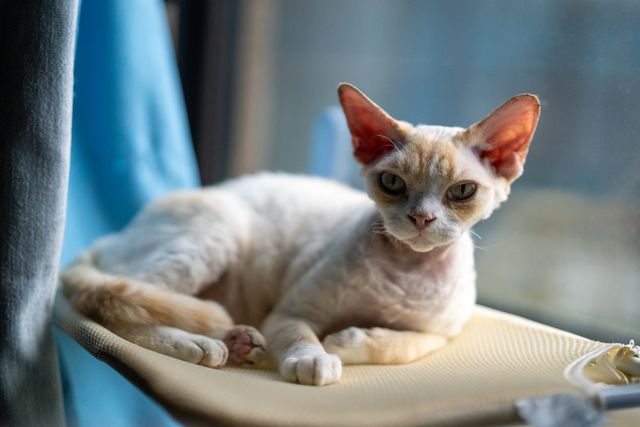
Cornish Rex cats are sleek, athletic, and uniquely coated. Unlike the Devon Rex, their curly fur comes from a different gene and consists of only the soft undercoat with no guard or awn hairs. They feel warm to the touch, have a racing metabolism, and are exceptional jumpers.
Why Cornish Rex Cats Are Built for Speed and Fun
Undercoat Only
Cornish Rex have only the soft down undercoat, lacking the guard and awn hairs other cats have. This creates their signature marcel-wave curls and velvety feel.
Exceptional Athletes
With their lean, muscular bodies and arched backs, Cornish Rex are incredible jumpers and sprinters. They can leap to surprising heights with ease.
Warm to the Touch
Their thin coat makes them feel warmer than other cats. They seek heat sources and love to cuddle, but can sunburn easily without protection.
Racing Metabolism
Their fast metabolism means they eat more relative to their size and stay lean. They burn energy quickly and rarely struggle with obesity.
Pros
- Athletic and endlessly entertaining to watch
- Minimal shedding with their unique undercoat-only fur
- Affectionate and love human companionship
- Highly intelligent and trainable
- Generally healthy and long-lived
Cons
- Sensitive to cold temperatures and drafts
- Can sunburn through windows or outdoors
- High energy demands consistent interactive play
- Not truly hypoallergenic despite reduced shedding
- Fragile coat requires gentle handling
Care Requirements
What you need to know to keep your Cornish Rex healthy and happy

Exercise
35 minutes daily
Cornish Rex are natural athletes who need vertical space to jump and sprint. Provide tall cat trees, high perches, and interactive chase toys. They enjoy fetch and can be leash-trained.

Grooming
Gentle weekly care
Their delicate undercoat-only fur should not be brushed aggressively. Gentle petting or a soft cloth is sufficient. Occasional baths help manage skin oils. Apply pet-safe sunscreen for sun exposure.

Nutrition
Cornish Rex have faster metabolisms and may need more food relative to their size. Feed high-quality, calorie-appropriate food in regular meals to fuel their active lifestyle.
Training Timeline
Warmth & Handling
Provide heated beds and warm spots. Get your kitten accustomed to gentle coat handling and establish the basics of litter training.
Athletic Training
Introduce climbing structures and jumping games. Cornish Rex excel at agility-style activities. Start leash training if you want outdoor adventures.
Trick Mastery
Their intelligence and food drive make them excellent learners. Teach fetch, high-five, and come. Clicker training produces fast results.
Sun Protection Routine
Establish routines for sun protection, especially if your cat lounges near windows. Continue enrichment with new challenges to satisfy their active minds.
Health Information
Common health concerns and prevention tips for Cornish Rex
Common Health Issues
- Hypertrophic cardiomyopathy (HCM)
- Patellar luxation
- Sunburn and skin sensitivity
- Hypothermia risk in cold environments
Prevention Tips
- Regular cardiac screening for HCM
- Protect from direct sun exposure with pet-safe sunscreen
- Keep indoor temperatures comfortable and provide warm bedding
- Annual veterinary checkups with joint assessments
- Monitor for any lameness or changes in gait
Ready to Meet Your Cornish Rex?
We've got everything you need to prepare for your new Cornish Rex
Find Cornish Rex Breeders