
Cymric
The Long-Haired Tailless Wonder
Cymrics are the long-haired version of the Manx cat, sharing the same distinctive tailless or stubby-tailed appearance with a luxurious flowing coat. These round robust cats combine striking looks with a playful devoted personality.
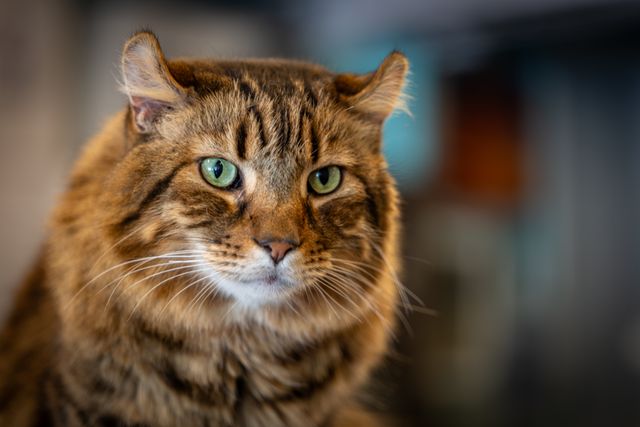
Why Cymrics Are Charming Tailless Beauties
Tailless Beauty
Their lack of tail combined with flowing coat creates a unique rounded appearance.
Gentle Companions
Sweet and affectionate cats that bond closely with their families.
Surprisingly Agile
Despite their round build, they are excellent jumpers and surprisingly athletic.
Dog-Like Loyalty
Known for their dog-like devotion, following owners and greeting them at the door.
Pros
- Unique attractive tailless appearance with flowing coat
- Dog-like loyalty and devotion to family
- Good with children and other pets
- Surprisingly agile and playful
- Sweet gentle temperament
Cons
- Tailless gene can cause spinal health issues
- Shorter lifespan than some breeds
- May develop Manx syndrome in some kittens
- Requires careful breeding for health
- Semi-long coat needs regular grooming
Care Requirements
What you need to know to keep your Cymric healthy and happy

Exercise
25 minutes daily
Cymrics enjoy moderate play sessions with interactive toys and climbing. They are good jumpers despite their round appearance.

Grooming
2-3 times per week
Their semi-long double coat requires brushing several times weekly to prevent matting. More frequent during shedding seasons.

Nutrition
Feed quality cat food maintaining healthy weight. Adults need about 1/4 to 1/3 cup daily. Monitor weight as their round body can hide gain.
Training Timeline
Gentle Start
Begin socialization and litter training. Cymric kittens are naturally gentle and curious.
Interactive Play
Introduce varied toys and gentle interactive training sessions.
Routine Building
Establish consistent play and grooming routines. They respond well to predictability.
Companion Activities
Continue interactive play and bonding activities. They enjoy learning simple tricks.
Health Information
Common health concerns and prevention tips for Cymric
Common Health Issues
- Manx syndrome causing spinal cord defects
- Arthritis in the tailless spinal area
- Megacolon affecting bowel function
- Corneal dystrophy eye condition
Prevention Tips
- Choose breeders who screen for Manx syndrome
- Monitor for signs of spinal discomfort
- Watch for changes in litter box habits
- Schedule regular veterinary examinations
- Maintain gentle handling of the spinal area
Ready for a Cymric?
We've got everything you need to prepare for your new Cymric
Find Cymrics Near You