
Exotic Shorthair
The Easy-Going Teddy Bear Cat
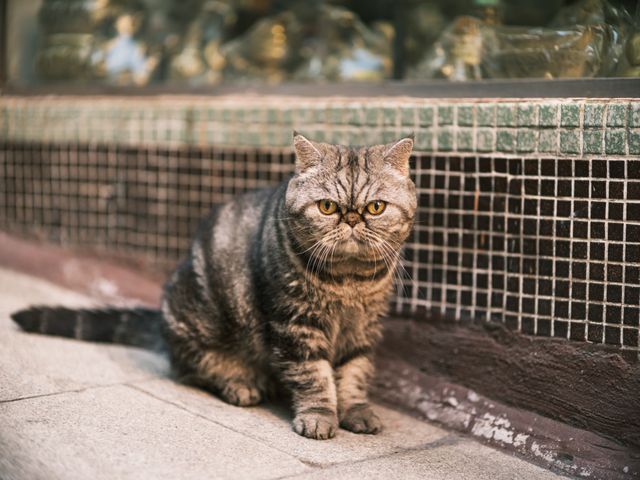
Exotic Shorthairs are often called the lazy person's Persian. They share the Persian's sweet flat face and calm personality but come with a short, plush coat that requires far less grooming. They are affectionate, quiet, and wonderfully easygoing.
Why Exotic Shorthairs Are the Perfect Low-Key Companion
Endlessly Affectionate
Exotics love to sit on laps and cuddle. They form strong bonds with their owners and will seek out attention with quiet persistence.
Low-Maintenance Coat
Their dense plush coat requires only weekly brushing, making them perfect for people who love the Persian look without the daily grooming.
Adorable Appearance
Their round face, large eyes, and snub nose give them a teddy bear look that is irresistibly charming and instantly recognizable.
Surprisingly Playful
More playful than Persians, Exotics enjoy chasing toys and interactive play. They balance calm lap time with bursts of kittenish energy.
Pros
- Persian looks with much less grooming required
- Calm and well-suited for apartment living
- Quiet and not overly vocal
- Affectionate and great lap cats
- Good with children and other pets
Cons
- Prone to brachycephalic health issues like Persians
- Needs daily eye cleaning due to tear staining
- Can overheat in warm climates due to flat face
- Prone to weight gain without careful feeding
- Sheds more than expected for a shorthaired cat
Care Requirements
What you need to know to keep your Exotic Shorthair healthy and happy

Exercise
20 minutes daily
Exotic Shorthairs enjoy short play sessions with toys and laser pointers. They are more active than Persians but still prefer a relaxed pace overall.

Grooming
Weekly brushing, daily eye cleaning
Their dense coat benefits from weekly brushing to remove loose hair. Clean around their eyes daily to prevent tear staining. Trim nails regularly.

Nutrition
Feed portion-controlled high-quality cat food. Exotics gain weight easily, so measure meals and limit treats. Wet food helps maintain hydration.
Training Timeline
Gentle Introduction
Socialize your Exotic kitten with gentle handling and grooming. Get them used to eye cleaning early since this will be a lifelong routine.
Routine Building
Establish feeding schedules, litter box habits, and scratching post use. Exotics respond best to calm, patient, positive reinforcement.
Play & Stimulation
Introduce puzzle toys and interactive play to keep them mentally sharp. Short training sessions with treats can teach simple commands.
Health Monitoring
Establish regular vet visits focusing on brachycephalic health. Maintain weight management and grooming routines for long-term wellbeing.
Health Information
Common health concerns and prevention tips for Exotic Shorthair
Common Health Issues
- Brachycephalic airway syndrome
- Polycystic kidney disease (PKD)
- Excessive eye tearing and infections
- Dental crowding due to shortened jaw
- Calcium oxalate bladder stones
Prevention Tips
- Choose breeders who test for PKD
- Clean eyes and facial folds daily
- Monitor breathing in warm or humid conditions
- Schedule regular dental cleanings
- Provide fresh water and wet food for urinary health
Ready to Adopt an Exotic Shorthair?
We've got everything you need to prepare for your new Exotic Shorthair
Find Exotic Shorthair Breeders