
Manx
The Tailless Cat with a Big Heart
Manx cats from the Isle of Man are famous for their missing tails, powerful hind legs, and dog-like devotion. Their taillessness ranges from completely absent to full-length, and responsible ownership requires understanding Manx syndrome, a spinal condition affecting roughly 20% of the breed.
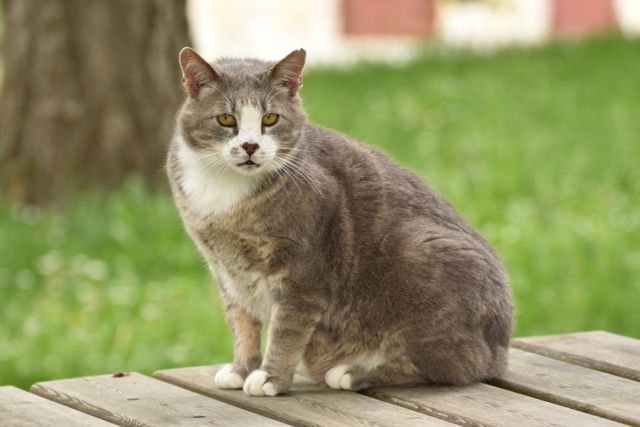
What Makes Manx Cats Unique Among All Breeds
Taillessness Spectrum
Manx tails range across four types: rumpy (no tail), rumpy riser (slight bump), stumpy (partial tail), and longy (full tail). All are genuine Manx.
Manx Syndrome Awareness
About 20% of Manx develop spinal defects linked to the tailless gene. This can cause bowel, bladder, and mobility problems. Ethical breeding reduces risk.
Skilled Hunters
Manx are renowned mousers with strong prey drives. Their powerful hind legs make them fast, agile hunters that were historically prized on farms and ships.
Dog-Like Loyalty
Manx bond deeply with their families and often follow their favorite person around. They can learn to fetch and come when called.
Pros
- Deeply loyal and devoted to their families
- Excellent mousers with strong hunting instincts
- Unique, distinctive appearance
- Trainable and dog-like in behavior
- Good with children and other pets
Cons
- Risk of Manx syndrome (spinal defects in ~20%)
- Can have bowel and bladder issues from spinal problems
- Shorter lifespan than average for affected individuals
- Breeding two tailless cats can produce lethal offspring
- Requires knowledgeable, ethical breeder selection
Care Requirements
What you need to know to keep your Manx healthy and happy

Exercise
25 minutes daily
Manx are active cats with powerful hind legs built for running and jumping. Provide climbing structures, interactive toys, and games that stimulate their natural hunting instincts.

Grooming
Weekly to twice-weekly brushing
Manx come in shorthair and longhair (Cymric) varieties. Shorthairs need weekly brushing; longhairs need more frequent sessions. Both have dense double coats that shed seasonally.

Nutrition
Feed high-quality cat food appropriate for their age. Manx tend to be stocky and muscular, so monitor portions to prevent excess weight that could stress their spine.
Training Timeline
Health Assessment
Have your vet assess for Manx syndrome early. Monitor bowel and bladder function. Start gentle handling and socialization routines.
Hunting Play
Channel their natural hunting instincts with interactive toys. Start teaching fetch and come. Their dog-like nature makes them responsive to training.
Mobility Monitoring
Watch for any signs of spinal issues such as difficulty walking, hopping gait, or incontinence. Report any concerns to your vet promptly.
Ongoing Wellness
Establish regular veterinary monitoring schedule. Continue enrichment activities and maintain healthy weight to support spinal health.
Health Information
Common health concerns and prevention tips for Manx
Common Health Issues
- Manx syndrome (sacral spinal defects)
- Bowel and bladder incontinence
- Arthritis in the spine and hind legs
- Megacolon
- Corneal dystrophy
Prevention Tips
- Buy only from breeders who never mate two tailless cats
- Early veterinary assessment for spinal defects
- Maintain healthy weight to reduce spinal stress
- Regular checkups with focus on bowel and bladder function
- Monitor mobility and report any gait changes immediately
Considering a Manx Cat?
We've got everything you need to prepare for your new Manx
Find Manx Breeders