
Munchkin
The Charming Short-Legged Cat
Munchkin cats are playful, confident, and surprisingly agile despite their distinctively short legs. Their unique appearance comes from a natural genetic mutation, though the breed remains controversial with some registries refusing recognition over welfare concerns.
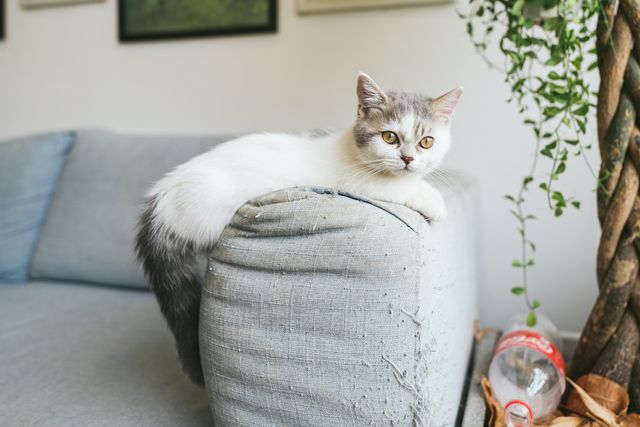
What You Need to Know About Munchkin Cats
Surprisingly Agile
Despite their short legs, Munchkins are active and playful. They run, chase, and play with impressive speed, though they jump lower than long-legged cats.
Ethical Considerations
The short-legged gene is controversial. Some registries like TICA accept them, while others like CFA and GCCF refuse due to welfare concerns about the mutation.
Magpie Personality
Munchkins are known for collecting and hoarding small shiny objects. They'll stash treasures in secret spots around your home.
Social and Sweet
They're outgoing, friendly cats who get along well with children, dogs, and other cats. Their confident nature makes them adaptable.
Pros
- Playful and active despite short stature
- Friendly and social with people and other pets
- Confident and adaptable to various environments
- Entertaining personalities with quirky habits
- Come in virtually any coat color and pattern
Cons
- Ethical controversy around breeding for short legs
- Risk of lordosis (spinal curvature) and pectus excavatum
- Cannot jump as high as other breeds, limiting mobility
- Some registries do not recognize or accept the breed
- Potential for joint and spine problems as they age
Care Requirements
What you need to know to keep your Munchkin healthy and happy

Exercise
25 minutes daily
Munchkins are active but need accessible play options. Provide low-entry cat trees, ground-level toys, and ramps. They enjoy chasing and interactive play despite their shorter reach.

Grooming
Weekly to twice-weekly brushing
Grooming depends on coat type. Shorthaired Munchkins need weekly brushing; longhaired varieties need more frequent attention. Their lower stance means bellies may pick up more debris.

Nutrition
Feed high-quality cat food in measured portions. Maintaining a healthy weight is especially important for Munchkins to reduce stress on their spine and joints.
Training Timeline
Accessible Environment
Set up your home with ramps and low furniture steps. Ensure litter boxes have low entries. Start gentle socialization and handling.
Play Training
Encourage ground-level play and teach basic commands. Munchkins are food-motivated and learn quickly with treat-based positive reinforcement.
Health Monitoring
Watch for signs of spinal issues like lordosis. Ensure your cat moves comfortably and shows no signs of pain during normal activities.
Weight Management
Establish strict weight monitoring. Excess weight puts extra strain on their shorter skeletal structure. Keep activity levels up with engaging toys.
Health Information
Common health concerns and prevention tips for Munchkin
Common Health Issues
- Lordosis (excessive spinal curvature)
- Pectus excavatum (sunken chest)
- Osteoarthritis from altered gait mechanics
- Urinary tract issues
Prevention Tips
- Buy from responsible breeders who screen for spinal conditions
- Maintain healthy weight to reduce joint stress
- Provide accessible environments with ramps and low platforms
- Regular veterinary checkups with spinal assessments
- Watch for any changes in mobility or gait
Considering a Munchkin Cat?
We've got everything you need to prepare for your new Munchkin
Find Munchkin Breeders