
Norwegian Forest Cat
The Viking's Majestic Companion
Norwegian Forest Cats are large, sturdy cats with thick waterproof double coats and a wild, rugged appearance. Despite their imposing look, they are friendly, patient, and independent cats that adapt well to families and cooler climates.
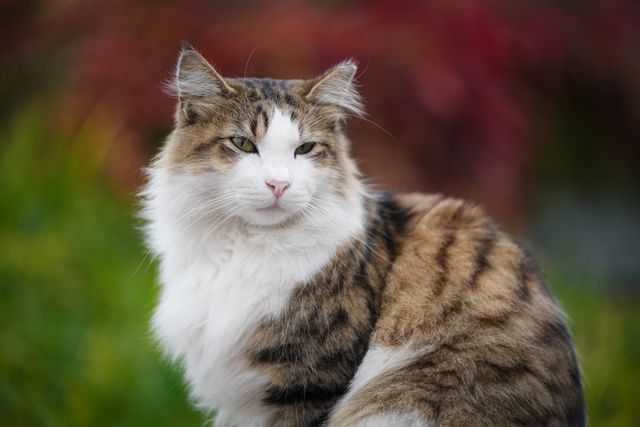
Why Norwegian Forest Cats Are Natural Companions
Rugged & Hardy
Bred to survive Scandinavian winters, these cats are robust and healthy with a thick waterproof double coat that handles cold climates beautifully.
Natural Climbers
They love to climb and perch up high. Cat trees and tall shelves are a must. Their strong claws make them exceptional climbers among cat breeds.
Gentle Giants
Despite their large size, they are patient and gentle with children. They enjoy affection on their own terms without being overly needy.
Quietly Intelligent
They are clever problem-solvers who enjoy interactive toys and puzzle feeders. Their independent streak means they can entertain themselves.
Pros
- Hardy breed with fewer genetic health issues
- Patient and gentle with children and other pets
- Independent enough to handle being alone during work hours
- Stunning wild appearance with a luxurious coat
- Adaptable to various living environments
Cons
- Heavy shedding especially during spring and fall
- Requires regular brushing to prevent mats
- Needs vertical space for climbing enrichment
- Slow to mature physically, reaching full size at age 5
- Can be reserved with strangers at first
Care Requirements
What you need to know to keep your Norwegian Forest Cat healthy and happy

Exercise
30 minutes daily
Norwegian Forest Cats are moderately active and love climbing. Provide tall cat trees and interactive toys. They enjoy brief outdoor exploration in safe enclosures.

Grooming
2-3 times per week, daily during shedding season
Their thick double coat needs regular brushing to prevent tangles, especially around the chest ruff and hind legs. Increase frequency during seasonal shedding.

Nutrition
Feed high-quality protein-rich food appropriate for large breeds. Monitor portions to prevent obesity, especially for indoor cats. Fresh water should always be available.
Training Timeline
Kitten Foundation
Socialize your kitten with people and household activities. Introduce them to grooming tools early since their coat will need regular attention as adults.
Climbing & Boundaries
Provide appropriate climbing surfaces and redirect from furniture. Establish scratching post habits and litter box routines in this exploratory stage.
Environmental Enrichment
Introduce puzzle feeders and rotating toys. Norwegian Forest Cats are intelligent and need mental stimulation to prevent boredom behaviors.
Ongoing Growth
Continue enrichment as they grow. This breed matures slowly, reaching full size around age 5. Maintain grooming routines and regular vet visits.
Health Information
Common health concerns and prevention tips for Norwegian Forest Cat
Common Health Issues
- Hypertrophic cardiomyopathy (HCM)
- Glycogen storage disease type IV
- Hip dysplasia due to large frame
- Kidney disease
Prevention Tips
- Choose breeders who test for GSD IV and HCM
- Maintain a healthy weight to reduce joint stress
- Schedule annual veterinary exams with heart screening
- Brush teeth regularly to prevent dental disease
- Provide joint-supporting nutrition for large breeds
Ready for a Norwegian Forest Cat?
We've got everything you need to prepare for your new Norwegian Forest Cat
Find Norwegian Forest Cat Breeders