
Savannah
The Wild-Spirited Adventure Cat
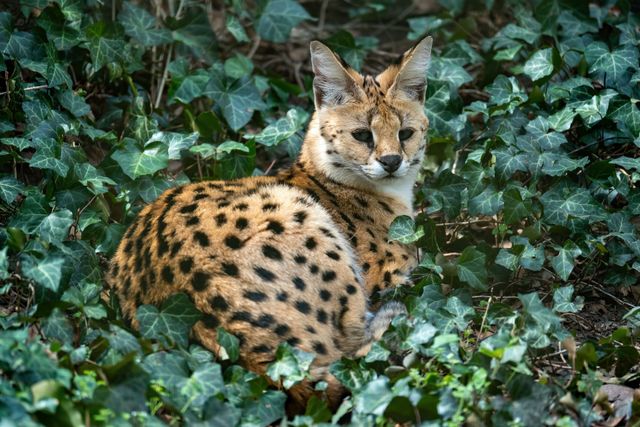
Savannahs are tall, lean, and strikingly wild-looking cats created by crossing domestic cats with African Servals. They are extraordinarily active, intelligent, and loyal, often compared to dogs in their devotion and trainability.
Why Savannahs Are Unlike Any Other Cat
Boundless Energy
Savannahs are among the most active cat breeds. They can jump over 8 feet high and need ample space and stimulation to stay happy.
Exceptionally Intelligent
They learn tricks, walk on leashes, and even play fetch. Their problem-solving abilities mean they can open doors and figure out latches.
Dog-Like Loyalty
Savannahs bond deeply with their owners and often follow them around the house. They greet you at the door and enjoy interactive companionship.
Wild Looks
Their tall stature, spotted coat, and large ears give them an exotic, wild appearance that turns heads and starts conversations.
Pros
- Highly intelligent and trainable like a dog
- Loyal and deeply bonded to their owner
- Striking wild appearance with a spotted coat
- Long lifespan for a larger cat breed
- Can be leash-trained for outdoor adventures
Cons
- Requires significant daily exercise and enrichment
- Not legal in all states or countries
- Can be destructive if bored or under-stimulated
- Very expensive to purchase from reputable breeders
- Not ideal for households with small children or small pets
Care Requirements
What you need to know to keep your Savannah healthy and happy

Exercise
60 minutes daily
Savannahs need extensive daily activity. Provide tall cat trees, interactive toys, leash walks, and puzzle feeders. A bored Savannah will find its own entertainment.

Grooming
Weekly brushing
Their short, spotted coat is low-maintenance. Weekly brushing removes loose hair and keeps the coat glossy. Trim nails regularly as they are very active.

Nutrition
Feed high-protein, grain-free cat food suitable for active breeds. Some owners supplement with raw or freeze-dried meat. Consult your vet for generation-specific dietary needs.
Training Timeline
Socialization Priority
Early socialization is critical for Savannahs. Expose them to people, sounds, and environments. Handle them frequently to build trust and confidence.
Leash & Command Training
Start harness and leash training. Teach basic commands like sit, come, and stay using positive reinforcement. Savannahs learn remarkably fast.
Advanced Enrichment
Introduce fetch, agility obstacles, and complex puzzle toys. Channel their energy into structured activities to prevent destructive behavior.
Ongoing Stimulation
Continue providing new challenges and variety. Rotate toys frequently. Consider a catio or enclosed outdoor space for safe exploration.
Health Information
Common health concerns and prevention tips for Savannah
Common Health Issues
- Hypertrophic cardiomyopathy (HCM)
- Sensitivity to certain anesthetics
- Hybrid male infertility in early generations
Prevention Tips
- Choose breeders who screen for HCM
- Inform your vet about anesthetic sensitivities before any procedure
- Keep up with annual veterinary checkups
- Maintain an active lifestyle to prevent obesity
Ready for a Savannah Cat?
We've got everything you need to prepare for your new Savannah
Find Savannah Breeders