
Turkish Angora
The Elegant Ancient Beauty
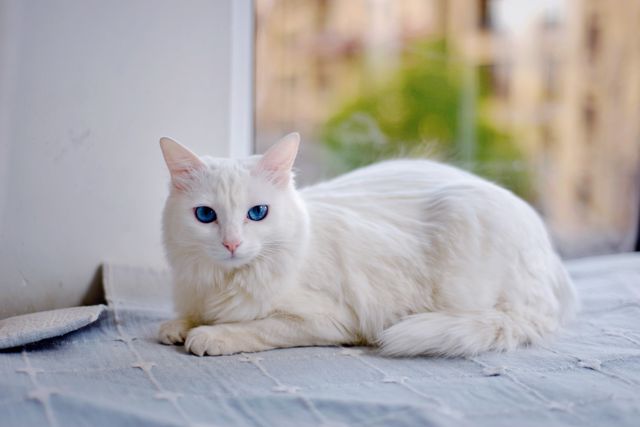
Turkish Angoras are one of the oldest natural cat breeds, originating from central Turkey. These elegant, silky-coated cats have alpha personalities, relentless playfulness, and a striking beauty that has captivated humans for centuries.
Why Turkish Angoras Are Living Works of Art
Ancient Heritage
One of the oldest natural cat breeds, Turkish Angoras are a national treasure of Turkey and have been documented for centuries.
Easier Coat Than Expected
Despite their flowing appearance, Turkish Angoras have a single-layer silky coat with no undercoat. This means less matting and easier grooming than you'd expect.
Alpha Personality
These cats like to be in charge. They'll rule over other pets, demand attention on their terms, and assertively claim their favorite spots.
Deafness in White Cats
White Turkish Angoras with blue eyes have a higher incidence of deafness. Odd-eyed cats may be deaf on the blue-eyed side only.
Pros
- Stunningly beautiful with a flowing silky coat
- Surprisingly easy grooming for a longhaired breed
- Highly intelligent and interactive
- Long-lived breed with robust health
- Playful and entertaining throughout their lives
Cons
- Strong-willed alpha personality can be challenging
- White, blue-eyed cats may be deaf
- Can be possessive and jealous of attention
- Demands to be the center of attention
- May dominate other pets in the household
Care Requirements
What you need to know to keep your Turkish Angora healthy and happy

Exercise
30 minutes daily
Turkish Angoras are surprisingly athletic and playful. Provide tall climbing structures, interactive wand toys, and puzzle feeders. They love games that let them show off their agility.

Grooming
Twice-weekly brushing
Their single-layer silky coat is easier to maintain than other longhaired breeds. Twice-weekly brushing prevents tangles. During spring shedding season, increase to daily brushing.

Nutrition
Feed high-quality cat food suited to their age and activity level. Turkish Angoras are generally athletic and not prone to obesity, but regular portions ensure they maintain their elegant physique.
Training Timeline
Early Leadership
Establish boundaries early. Turkish Angora kittens test limits. Consistent, gentle rules from the start prevent dominant behavior from becoming problematic.
Socialization
Expose them to other pets, children, and visitors. If your cat has blue eyes, test for deafness and adjust training to visual cues if needed.
Interactive Training
Channel their intelligence with trick training and interactive play. Turkish Angoras can learn complex games and enjoy being mentally challenged.
Multi-Pet Harmony
If you have other pets, continue reinforcing positive interactions. Turkish Angoras tend to assert dominance, so supervised introductions are important.
Health Information
Common health concerns and prevention tips for Turkish Angora
Common Health Issues
- Hereditary deafness in white, blue-eyed cats
- Hypertrophic cardiomyopathy (HCM)
- Ataxia (hereditary movement disorder)
- Dental disease
Prevention Tips
- BAER testing for deafness in white kittens
- Regular cardiac screening with echocardiogram
- Buy from breeders who test for ataxia
- Annual veterinary checkups with dental exams
- Monitor for any coordination or balance issues
Ready to Meet Your Turkish Angora?
We've got everything you need to prepare for your new Turkish Angora
Find Turkish Angora Breeders