
Akita
The Noble and Dignified Guardian
The Akita is a powerful, dignified breed known for unwavering loyalty, immortalized by the story of Hachiko. With a strong-willed, independent nature and potential for dog aggression, Akitas are not recommended for casual first-time owners. There are two distinct types: the Japanese Akita Inu and the larger American Akita.
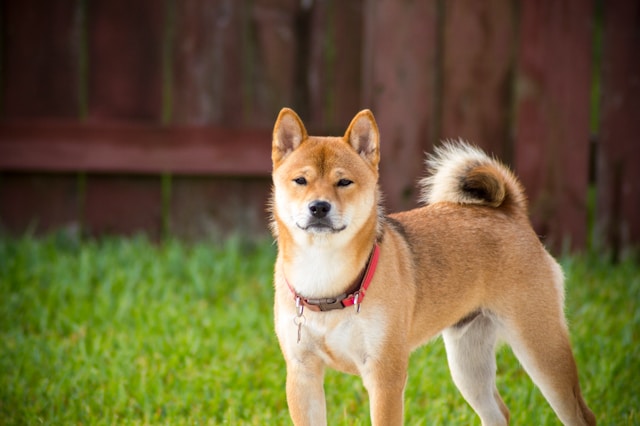
What You Must Know Before Getting an Akita
Natural Guardian
Akitas are instinctively protective of their family. They are alert, courageous, and do not need guard dog training to be watchful.
Deeply Loyal
Famous for the Hachiko story, Akitas form profound bonds with their owners and are fiercely devoted to their families.
Independent Thinker
Unlike people-pleasing breeds, Akitas think for themselves. They require experienced owners who can lead with confidence and consistency.
Two Distinct Types
The Japanese Akita Inu is smaller and more refined, while the American Akita is larger and heavier. Research which suits you best.
Pros
- Extremely loyal and devoted to their family
- Natural guardian with a calm, dignified demeanor
- Clean and cat-like in their grooming habits
- Quiet breed that rarely barks without reason
- Impressive and commanding presence
Cons
- Strong-willed and independent, making training challenging for novice owners
- Can be aggressive toward other dogs, especially same-sex dogs
- Heavy shedding with major seasonal coat blowouts twice yearly
- Requires experienced, confident leadership and early socialization
- May be restricted or banned in some housing and insurance policies
Care Requirements
What you need to know to keep your Akita healthy and happy

Exercise
60 minutes daily
Akitas need about an hour of daily exercise through brisk walks and moderate play. They are not marathon runners but enjoy purposeful activity. Always leash walk due to potential dog aggression.

Grooming
2-3 times per week, daily during blowouts
Their thick double coat requires regular brushing. Twice yearly, they shed their entire undercoat ('blowing coat'), demanding daily intensive grooming for several weeks. Bathing should be occasional.

Nutrition
Feed a high-quality large-breed formula appropriate for age and activity. Adults typically need 3-5 cups daily split into two meals. Use a slow-feeder bowl to help prevent bloat, which can affect deep-chested breeds.
Training Timeline
Critical Early Socialization
Socialization is the single most important thing for Akita puppies. Expose to many different people, gentle dogs, and environments in positive ways before the socialization window closes.
Leadership Foundation
Establish yourself as a calm, consistent leader. Akitas respect confident handlers. Focus on basic obedience using positive but firm methods.
Adolescent Independence
Akitas become more independent and may test boundaries during adolescence. Stay consistent. Continue controlled socialization with other dogs.
Mature Management
Adult Akitas may develop dog selectivity or aggression. Learn to manage and avoid confrontational situations. Continue reinforcing obedience reliably.
Health Information
Common health concerns and prevention tips for Akita
Common Health Issues
- Hip dysplasia - common in large breeds
- Autoimmune disorders including hypothyroidism and pemphigus
- Gastric dilatation-volvulus (bloat) - a life-threatening emergency
- Progressive retinal atrophy and other eye conditions
- Sebaceous adenitis - an inflammatory skin condition
Prevention Tips
- Choose a breeder who tests for hip dysplasia, eye conditions, and thyroid function
- Learn the signs of bloat and have an emergency plan ready
- Monitor for skin changes or excessive hair loss that may indicate autoimmune issues
- Maintain regular veterinary checkups at least annually
- Keep vaccinations current and discuss breed-specific health screening with your vet
Is an Akita the Right Breed for You?
We've got everything you need to prepare for your new Akita
Find Responsible Akita Breeders