
Australian Shepherd
The Versatile Adventure Partner
Australian Shepherds are strikingly beautiful, highly intelligent herding dogs that thrive with active owners. Their versatility, trainability, and devotion make them outstanding companions for people who love the outdoors and want a dog that can keep up.
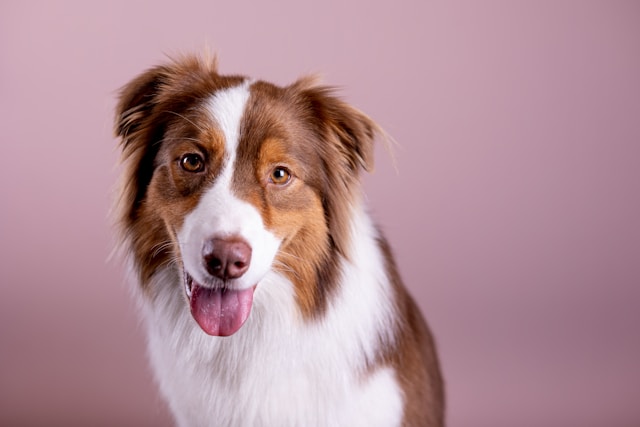
Why Australian Shepherds Excel With Active Owners
Quick Learners
Among the top ten most intelligent breeds. Aussies pick up new commands rapidly and thrive when given complex tasks and challenges.
Adventure Ready
Built for endurance and athleticism. They are ideal hiking, running, and camping companions who never want to miss an outing.
Protective Instinct
Naturally watchful and alert without being aggressive. They keep a careful eye on their family and home while remaining friendly.
Stunning Appearance
Known for their beautiful merle coats and striking eye colors, including blue, amber, and heterochromia. Every Aussie is unique.
Pros
- Exceptionally intelligent and highly trainable for obedience and tricks
- Excellent health and long lifespan for a medium-sized breed
- Versatile in dog sports including agility, herding, and disc competitions
- Loyal and protective of their family without being aggressive
- Beautiful, eye-catching coat with a wide variety of color patterns
Cons
- Requires substantial daily exercise of at least one to two hours
- Can develop herding behaviors toward children and other pets
- Heavy shedding especially during seasonal coat changes
- May be reserved or cautious with strangers if not socialized early
- Prone to boredom-driven destructive behaviors without enough stimulation
Care Requirements
What you need to know to keep your Australian Shepherd healthy and happy

Exercise
90 minutes daily
Australian Shepherds need at least 90 minutes of vigorous exercise daily. Hiking, running, fetch, and dog sports are excellent outlets. They also benefit from daily mental stimulation like training sessions and interactive toys.

Grooming
2-3 times per week
Their medium-length double coat requires brushing two to three times per week to prevent mats and reduce shedding. During heavy shedding seasons, daily brushing is recommended. Trim the fur around their ears and paws as needed.

Nutrition
Feed a high-quality dog food designed for active breeds. Adults typically need 1.5-2.5 cups of dry food daily, divided into two meals. Adjust portions based on activity level and monitor weight to avoid joint stress.
Training Timeline
Puppy Foundations
Start with house training, name recognition, and basic commands. Aussie puppies are eager learners, so use short, positive sessions to build a strong training foundation.
Critical Socialization
Prioritize exposure to different people, animals, and environments. This is essential for Aussies, who can become wary of strangers without proper early socialization.
Skill Building
Introduce intermediate commands and begin agility or sport foundations. Work on impulse control and redirect any emerging herding behaviors appropriately.
Advanced Training
Progress to advanced obedience, off-leash reliability, and specialized activities. Continue challenging them with new skills to satisfy their need for mental engagement.
Health Information
Common health concerns and prevention tips for Australian Shepherd
Common Health Issues
- Hip dysplasia - a genetic joint condition affecting mobility and comfort
- MDR1 gene mutation - causes dangerous sensitivity to certain medications
- Progressive retinal atrophy - gradual vision loss that can lead to blindness
- Epilepsy - seizure disorder manageable with veterinary care
- Cataracts - clouding of the eye lens, sometimes appearing at a young age
Prevention Tips
- Test for the MDR1 gene mutation before administering any new medications
- Schedule annual eye examinations with a veterinary ophthalmologist
- Maintain a healthy weight to protect joint health throughout their life
- Request hip evaluations from your veterinarian starting at two years old
- Provide consistent exercise to support overall physical and mental wellbeing
Ready to Meet Your Australian Shepherd?
We've got everything you need to prepare for your new Australian Shepherd
Find Australian Shepherds Near You