
Bernese Mountain Dog
A Gentle Heart in a Majestic Frame
The Bernese Mountain Dog is a striking, gentle giant known for its calm temperament and deep loyalty. While their affectionate nature and patience with children make them wonderful family dogs, prospective owners should understand their shorter lifespan and significant health concerns, including high cancer rates.
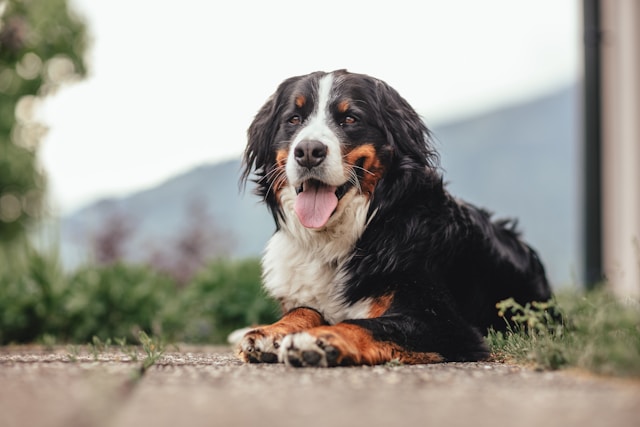
What to Know Before Getting a Bernese Mountain Dog
Gentle Giant
Despite their large size, Berners are incredibly gentle and patient, especially with children. They form deep bonds with their families.
Loyal Protector
Naturally watchful without being aggressive, they make calm, reliable guardians of the home.
Cold Weather Lover
Bred for the Swiss Alps, they thrive in cooler climates but struggle significantly in heat and humidity.
Moderate Energy
They enjoy daily walks and outdoor play but are not as hyperactive as many large breeds, making them manageable companions.
Pros
- Exceptionally gentle and patient with children of all ages
- Calm temperament makes them easy to live with despite their large size
- Loyal and deeply bonded with family members
- Good-natured with strangers and other animals when socialized
- Intelligent and willing to please, making training straightforward
Cons
- Short lifespan of only 6-8 years is emotionally difficult for owners
- High cancer rates, especially histiocytic sarcoma, affect the breed significantly
- Heavy shedding year-round with seasonal blowouts
- Heat sensitive and unsuitable for warm or humid climates
- Large size means higher costs for food, veterinary care, and supplies
Care Requirements
What you need to know to keep your Bernese Mountain Dog healthy and happy

Exercise
60 minutes daily
Berners need about an hour of moderate exercise daily through walks, hikes, and free play. Avoid strenuous exercise in warm weather and limit intense activity during their first 18 months to protect growing joints.

Grooming
2-3 times per week, daily during shedding season
Their thick double coat sheds heavily, especially in spring and fall. Regular brushing helps manage loose fur and prevents matting around the ears and hindquarters.

Nutrition
Feed a high-quality large-breed formula with controlled calcium and phosphorus for healthy growth. Adults typically need 3-5 cups daily split into two meals. Use a slow-feeder bowl to help prevent bloat, a life-threatening condition in deep-chested breeds.
Training Timeline
Early Socialization
Begin gentle handling, basic commands, and exposure to different surfaces, sounds, and people. Their sensitive nature requires patient, positive training methods.
Leash and Manners
Focus on loose-leash walking while they are still manageable in size. Teach impulse control and polite greetings, as they will grow very large.
Adolescent Guidance
Continue reinforcing commands and manners. Work on car manners, vet visit comfort, and calm behavior around visitors.
Mature Companion
Berners mature slowly. Continue training and socialization. Consider carting or draft work activities that leverage their heritage and build confidence.
Health Information
Common health concerns and prevention tips for Bernese Mountain Dog
Common Health Issues
- Histiocytic sarcoma and other cancers - the leading cause of death in the breed
- Hip and elbow dysplasia - common in large breeds
- Gastric dilatation-volvulus (bloat) - a life-threatening emergency
- Progressive retinal atrophy and other eye conditions
- Von Willebrand disease - a blood clotting disorder
Prevention Tips
- Choose a breeder who tests for hip, elbow, and eye conditions
- Learn the signs of bloat and have an emergency plan in place
- Maintain a healthy weight to reduce stress on joints
- Schedule veterinary checkups twice yearly for early cancer detection
- Avoid exercise in hot weather and provide access to shade and water
Ready to Welcome a Bernese Mountain Dog?
We've got everything you need to prepare for your new Bernese Mountain Dog
Find Bernese Mountain Dog Breeders