
Bichon Frise
The Happy-Go-Lucky Powder Puff
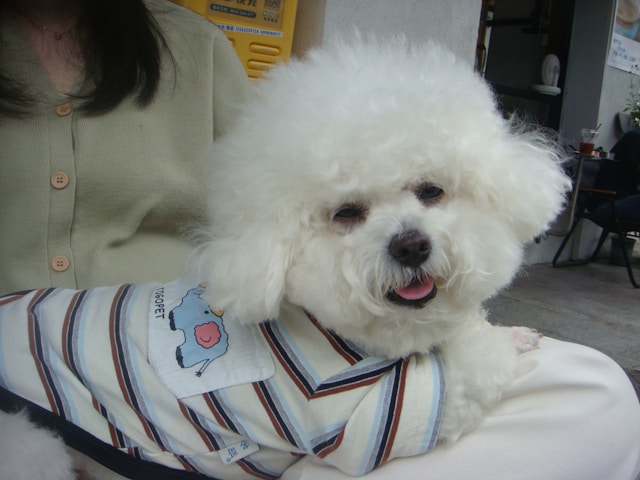
The Bichon Frise is a small, cheerful companion with an irresistible fluffy white coat. Their playful personality and low-shedding fur make them popular with allergy sufferers, though 'hypoallergenic' means low-shedding, not zero allergens. Regular professional grooming and patient house training are essential.
Why Bichon Frises Make Wonderful Companions
Low-Shedding Coat
Their curly coat traps loose hair instead of dropping it, making them a popular choice for allergy sufferers. Note: no dog is truly zero-allergen.
Natural Entertainer
Bichons have a playful, clownish streak and love performing for their families. They were once circus dogs for good reason.
Adaptable Size
At 12-18 pounds, they fit comfortably in apartments, condos, or houses. They adapt well to various living situations.
People Lover
Bichons are sociable and friendly with everyone they meet, including children, strangers, and other pets.
Pros
- Low-shedding coat makes them popular with allergy sufferers
- Cheerful, playful personality that brightens any household
- Small and adaptable to apartments and smaller living spaces
- Friendly and sociable with children, strangers, and other pets
- Long lifespan of 14-15 years provides many years of companionship
Cons
- Professional grooming required every 4-6 weeks, adding ongoing cost
- House training can be notably difficult and requires extra patience
- Prone to tear staining that requires regular facial cleaning
- Can develop separation anxiety if left alone frequently
- Susceptible to dental disease common in small breeds
Care Requirements
What you need to know to keep your Bichon Frise healthy and happy

Exercise
30 minutes daily
Bichons need about 30 minutes of daily activity through walks, indoor play, and interactive games. They enjoy short bursts of energetic play followed by cuddle time.

Grooming
Professional grooming every 4-6 weeks, daily brushing
Their signature fluffy coat requires daily brushing to prevent mats and professional grooming every 4-6 weeks. Clean around the eyes regularly to manage tear staining. Regular ear cleaning prevents infections.

Nutrition
Feed a high-quality small-breed formula appropriate for their age. Adults typically need 1/2 to 3/4 cup of dry food daily split into two meals. Monitor for food allergies, which can worsen tear staining.
Training Timeline
Patient Beginnings
Start house training immediately with a strict schedule. Bichons can be slow to house train, so consistency and patience are critical. Use positive reinforcement only.
Social Butterfly
Leverage their naturally social personality with puppy classes and controlled introductions. Continue house training with an established routine.
Building Habits
Reinforce house training and basic obedience. Introduce tricks and fun commands that play to their natural desire to entertain and please.
Well-Rounded Companion
By now, house training should be reliable. Continue mental stimulation through new tricks, short agility exercises, and varied social experiences.
Health Information
Common health concerns and prevention tips for Bichon Frise
Common Health Issues
- Patellar luxation - kneecap displacement common in small breeds
- Dental disease - small mouths are prone to overcrowding and decay
- Allergies and skin conditions that can cause itching and discomfort
- Bladder stones and urinary tract issues
Prevention Tips
- Brush teeth several times weekly or provide dental chews to prevent dental disease
- Schedule regular veterinary checkups at least annually
- Keep the face clean and dry to minimize tear staining and skin irritation
- Maintain a healthy weight to reduce stress on small joints
- Monitor urination habits for signs of bladder or urinary issues
Ready to Welcome a Bichon Frise?
We've got everything you need to prepare for your new Bichon Frise
Find Bichon Frise Breeders Near You