
Bloodhound
The Nose That Knows
Bloodhounds possess the most powerful sense of smell of any dog breed, capable of following trails that are days old. Beneath their droopy, dignified appearance lies a gentle, affectionate soul that bonds deeply with family members.
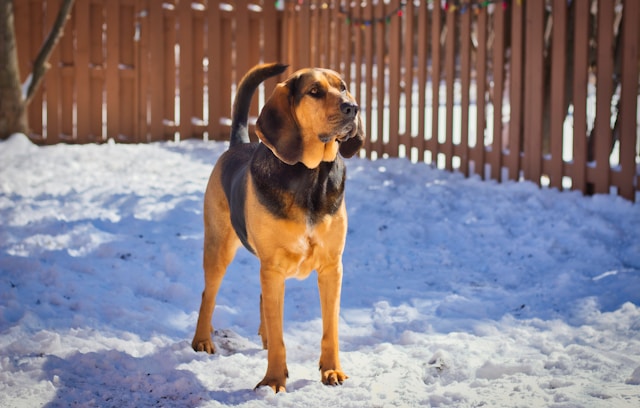
What Makes the Bloodhound Special
Scent Champion
Their unmatched sense of smell makes them legendary tracking dogs admired worldwide.
Gentle Giant
Despite their large size, they are remarkably gentle and patient with children.
Patient Nature
Bloodhounds exhibit calm patience that makes them wonderful family companions.
Devoted Companion
They form deep, lasting bonds with their family members and love companionship.
Pros
- Incredibly gentle with children
- Patient and tolerant temperament
- Unique tracking abilities
- Loyal and devoted to family
- Good with other dogs
Cons
- Excessive drooling is constant
- Strong scent drive can override recall
- Prone to ear infections
- Stubborn about following their nose
- Short lifespan for their devotion
Care Requirements
What you need to know to keep your Bloodhound healthy and happy

Exercise
60 minutes daily
Daily long walks with opportunities to follow scents. Hiking and tracking activities provide excellent mental and physical stimulation.

Grooming
Weekly
Short coat needs weekly brushing. Ears require frequent cleaning due to length and fold. Facial folds need daily cleaning.

Nutrition
Feed a high-quality large breed formula. Use slow feeder bowls to prevent bloat. Monitor weight carefully.
Training Timeline
Foundation
Begin socialization and basic handling. Introduce tracking games with treats to channel natural instincts.
Basic Training
Teach basic commands using high-value rewards. Begin leash training with patience for scent distractions.
Scent Work
Introduce structured scent work activities. Continue building recall skills with patience and consistency.
Maturity Training
Refine obedience around distractions. Establish reliable routines and continue enrichment activities.
Health Information
Common health concerns and prevention tips for Bloodhound
Common Health Issues
- Bloat (GDV)
- Hip and elbow dysplasia
- Ear infections
- Entropion
Prevention Tips
- Use slow feeder bowls and elevated feeding
- Regular ear cleaning and monitoring
- Hip screening from reputable breeders
- Regular eye examinations
Is the Bloodhound Right for You?
We've got everything you need to prepare for your new Bloodhound
Take the Quiz