
Cavalier King Charles Spaniel
The Gentle Hearted Companion
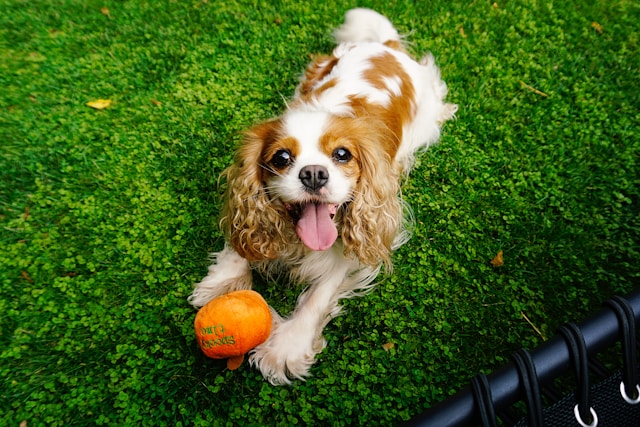
Cavalier King Charles Spaniels combine the athleticism of a sporting spaniel with the gentle affection of a toy breed. Their sweet, patient temperament and moderate needs make them one of the most well-rounded choices for first-time dog owners.
Why Cavaliers Are a First-Time Owner's Dream
Incredibly Sweet
Cavaliers are known for their soft, gentle nature. They are patient with children, welcoming to strangers, and kind to other animals.
Adaptable Energy
Happy to join you on a long walk or curl up on the couch. They naturally match their energy level to their owner's lifestyle.
Easy to Train
Eager to please and food-motivated, making them responsive to positive reinforcement training. They pick up commands without much fuss.
Therapy Dog Quality
Their calm, intuitive temperament makes them natural therapy and emotional support dogs. They seem to sense when comfort is needed.
Pros
- Exceptionally gentle and patient, ideal for families with young children
- Adaptable to both active and quieter lifestyles
- Friendly with strangers, other dogs, and cats
- Quiet breed that rarely barks excessively
- Moderate exercise needs that suit most owners' schedules
Cons
- Genetically predisposed to serious heart conditions starting in middle age
- Cannot tolerate being left alone and may develop separation anxiety
- Silky coat requires regular brushing and professional grooming
- Prone to a neurological condition called syringomyelia
- High purchase price and potentially expensive long-term veterinary costs
Care Requirements
What you need to know to keep your Cavalier King Charles Spaniel healthy and happy

Exercise
40 minutes daily
Cavaliers need about 40 minutes of daily exercise. Moderate walks, gentle play sessions, and short outings are ideal. They enjoy exploring outdoors but are equally content with quieter indoor activities.

Grooming
2-3 times per week
Their silky, medium-length coat needs brushing two to three times per week to prevent tangles, especially behind the ears and on the chest. Regular ear cleaning is important to prevent infections in their long, floppy ears.

Nutrition
Feed a high-quality small-breed dog food. Adults typically need 0.5-1 cup of dry food daily, split into two meals. Monitor weight carefully as Cavaliers can gain weight easily, which puts extra strain on their heart.
Training Timeline
Puppy Essentials
Begin house training and teach basic commands using treats and praise. Cavalier puppies are gentle and responsive, making early training a pleasant experience.
Socialization Period
Expose your puppy to different people, animals, sounds, and settings. Cavaliers are naturally sociable, but early positive experiences help build lasting confidence.
Manners and Routines
Reinforce house training and leash skills. Practice brief alone-time exercises to help prevent separation anxiety from developing.
Lifelong Learning
Continue enrichment with new tricks and activities. Maintain consistent routines and positive reinforcement to keep your Cavalier confident and well-behaved.
Health Information
Common health concerns and prevention tips for Cavalier King Charles Spaniel
Common Health Issues
- Mitral valve disease - a progressive heart condition affecting most Cavaliers by middle age
- Syringomyelia - a neurological condition where fluid-filled cavities develop in the spinal cord
- Patellar luxation - kneecap displacement common in small breeds
- Eye conditions including cataracts and dry eye
Prevention Tips
- Schedule cardiac checkups annually starting at one year of age
- Choose a breeder who tests for mitral valve disease and syringomyelia
- Maintain a healthy weight to reduce strain on the heart and joints
- Watch for signs of scratching at the neck or ears, which may indicate syringomyelia
- Provide gentle, consistent exercise to support cardiovascular health
Ready to Meet Your Cavalier King Charles Spaniel?
We've got everything you need to prepare for your new Cavalier King Charles Spaniel
Find Cavalier King Charles Spaniels Near You