
Dachshund
The Bold Little Sausage Dog
Dachshunds are brave, clever, and surprisingly spirited dogs packed into a long, low body. Available in two sizes and three coat types, these loyal companions thrive in apartments and form deep bonds with their owners.
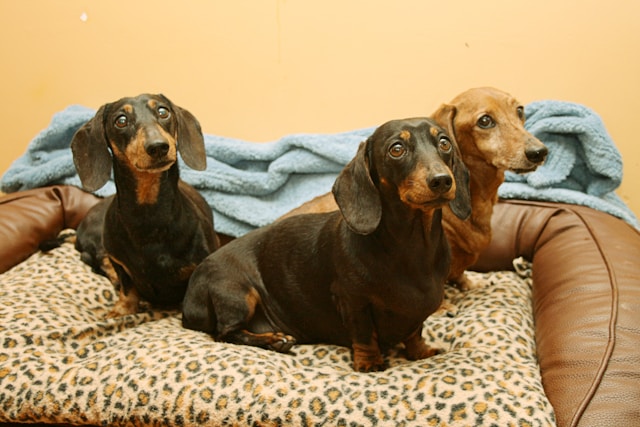
Why Dachshunds Win Hearts Everywhere
Brave Beyond Their Size
Originally bred to hunt badgers underground, Dachshunds have a fearless spirit that belies their compact frame. They make surprisingly effective watchdogs.
Deeply Loyal Companions
Dachshunds bond closely with their owners and love nothing more than burrowing under blankets beside you. They are devoted one-family dogs.
Clever and Independent
Their intelligence is matched by a strong independent streak. They solve problems on their own terms, which can be charming and occasionally exasperating.
Apartment-Friendly
Their small size and moderate exercise needs make Dachshunds ideal for apartment living. They adapt well to smaller spaces when given daily walks.
Pros
- Small size ideal for apartments and smaller homes
- Long lifespan of 12-16 years
- Low to moderate exercise requirements
- Excellent watchdogs with a big bark
- Available in three coat types to suit grooming preferences
Cons
- High risk of intervertebral disc disease (IVDD) due to long spine
- Can be stubborn and difficult to house-train
- Prone to excessive barking if not trained early
- May be snappy with young children if not socialized properly
- Tendency to dig and burrow, including furniture and gardens
Care Requirements
What you need to know to keep your Dachshund healthy and happy

Exercise
30 minutes daily
Dachshunds need about 30 minutes of daily exercise split into two walks. Avoid stairs and jumping on or off furniture to protect their spine. Ramps are a worthwhile investment.

Grooming
Weekly to daily depending on coat type
Smooth-coated Dachshunds need only weekly brushing. Long-haired varieties require daily brushing to prevent tangles. Wire-haired coats benefit from hand-stripping twice a year.

Nutrition
Weight management is critical for Dachshunds due to their vulnerable spines. Feed 0.5-1.5 cups of quality food daily depending on size variety. Keep them lean - extra weight puts dangerous pressure on their backs.
Training Timeline
House-Training Start
Begin crate training and a consistent potty schedule immediately. Dachshunds are notoriously slow to house-train, so patience and consistency are key from day one.
Socialization Push
Expose your Dachshund to different people, dogs, and environments. This helps prevent the suspicion of strangers and snappiness they can develop if under-socialized.
Obedience & Boundaries
Work on basic commands using high-value treats. Keep sessions short and fun - Dachshunds lose interest quickly. Teach them not to jump from furniture.
Reinforcement & Enrichment
Continue reinforcing commands and introduce puzzle toys to engage their clever minds. Scent games tap into their natural hunting instincts.
Health Information
Common health concerns and prevention tips for Dachshund
Common Health Issues
- Intervertebral disc disease (IVDD) - the leading health concern
- Obesity, which worsens spinal problems
- Patellar luxation (slipping kneecaps)
- Progressive retinal atrophy (PRA)
- Dental disease due to small jaw
Prevention Tips
- Use ramps instead of stairs and prevent jumping from heights
- Keep your Dachshund at a lean, healthy weight
- Support their back when picking them up - always use two hands
- Schedule regular dental cleanings
- Choose a breeder who tests for IVDD and eye conditions
Ready to Welcome a Dachshund?
We've got everything you need to prepare for your new Dachshund
Find Dachshund Breeders