
Dalmatian
The Iconic Spotted Athlete
The Dalmatian is a high-energy, athletic breed famous for its distinctive spotted coat. While strikingly beautiful, Dalmatians are not ideal for most first-time owners due to their intense exercise needs and unique health concerns, including congenital deafness. The '101 Dalmatians' effect has led to many poorly bred and surrendered dogs.
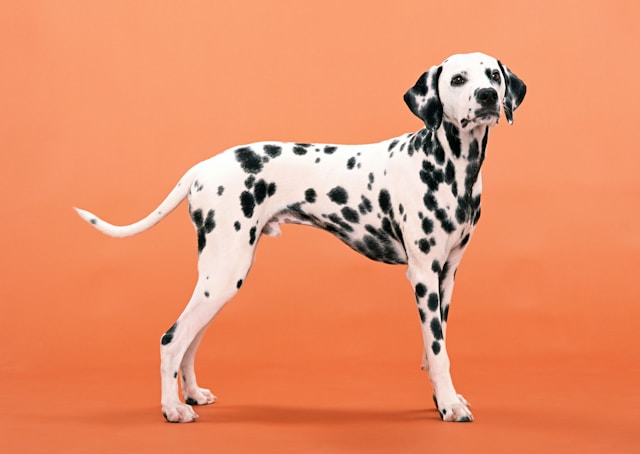
What First-Time Owners Must Know About Dalmatians
Very High Energy
Bred to run alongside carriages for miles, Dalmatians need extensive daily exercise. Without it, they become destructive and difficult to manage.
Athletic Build
Their lean, muscular frame is built for endurance. They make excellent running, cycling, and hiking partners for athletic owners.
Hearing Concerns
About 8% of Dalmatians are born bilaterally deaf and 22% are unilaterally deaf. BAER testing is essential for all puppies.
Unique Metabolism
Dalmatians have a unique urinary system that makes them prone to urinary stones. Diet management is important throughout life.
Pros
- Strikingly beautiful and instantly recognizable appearance
- Excellent exercise partner for runners, hikers, and cyclists
- Loyal and affectionate with their family members
- Intelligent and capable of learning a wide range of commands
- Low-maintenance short coat that is easy to groom
Cons
- Very high energy demands that most first-time owners underestimate
- Congenital deafness affects approximately 30% of the breed to some degree
- Prone to urinary stones requiring lifelong dietary management
- Can be stubborn and independent, requiring experienced handling
- The '101 Dalmatians' effect has increased poor breeding and shelter surrenders
Care Requirements
What you need to know to keep your Dalmatian healthy and happy

Exercise
90 minutes daily
Dalmatians need at least 90 minutes of vigorous exercise daily, including running, hiking, or cycling alongside you. They were bred for endurance and will become anxious and destructive without adequate physical outlets.

Grooming
Weekly brushing
Despite their short coat, Dalmatians shed constantly year-round. Weekly brushing helps manage loose hair. Baths are needed only occasionally. Check and clean ears regularly.

Nutrition
Dalmatians require a carefully managed diet low in purines to prevent urinary stone formation. Avoid organ meats and certain fish. Ensure constant access to fresh water to support urinary health. Consult your vet for appropriate food choices.
Training Timeline
BAER Test and Basics
Have your puppy BAER tested for hearing. Begin house training and basic commands. Deaf or hearing-impaired puppies can be trained with hand signals.
Socialization Critical Period
Extensive socialization is vital. Expose to various people, animals, and environments. Begin channeling their energy into structured activities.
Energy Management
Focus on reliable recall, leash manners, and impulse control. Begin running or jogging together once growth plates have been checked by your vet.
Consistent Partnership
Establish reliable exercise routines. Continue training with variety to prevent boredom. Consider rally, agility, or lure coursing for mental and physical challenges.
Health Information
Common health concerns and prevention tips for Dalmatian
Common Health Issues
- Congenital deafness - 8% bilateral, 22% unilateral, requiring BAER testing
- Urinary stones (urate) due to unique purine metabolism
- Hip dysplasia - joint condition affecting mobility
- Iris sphincter dysplasia - an eye condition unique to the breed
- Skin allergies and sensitivities
Prevention Tips
- Insist on BAER hearing test results for any puppy before purchase
- Feed a low-purine diet and ensure constant access to fresh water
- Choose a breeder who tests for deafness, hip dysplasia, and eye conditions
- Monitor urination habits and seek veterinary attention for any changes
- Schedule regular veterinary checkups at least annually
Is a Dalmatian Right for You?
We've got everything you need to prepare for your new Dalmatian
Find Responsible Dalmatian Breeders