
Doberman Pinscher
Loyal Protector with a Heart of Gold
Doberman Pinschers are elegant, powerful dogs whose fierce reputation hides a deeply affectionate and sensitive nature. Highly intelligent and trainable, they bond tightly with their families and excel as loyal companions for committed owners who appreciate both brains and beauty.
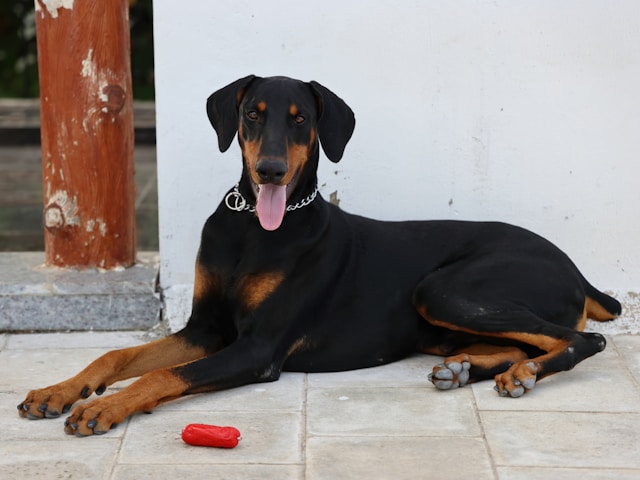
Why Dobermans Are More Than Guard Dogs
Exceptionally Intelligent
Dobermans rank among the top five most intelligent dog breeds. They learn commands rapidly and excel in obedience, agility, and advanced training.
Velcro Dog Loyalty
Forget the tough-guy image. Dobermans are sensitive, affectionate dogs who want to be glued to your side. They are devoted family members who crave closeness.
Athletic and Elegant
Built for speed and endurance, Dobermans are stunning athletes. Their sleek, muscular build and proud carriage turn heads wherever they go.
Natural Protector
Dobermans are naturally watchful and protective of their family without needing guard training. Their alert presence alone provides security and peace of mind.
Pros
- One of the most intelligent and trainable dog breeds
- Deeply loyal and affectionate with family members
- Sleek short coat requires minimal grooming
- Excellent natural watchdog without aggressive tendencies
- Versatile - excels in obedience, agility, tracking, and therapy work
Cons
- Susceptible to dilated cardiomyopathy (DCM), a serious heart condition
- Requires significant daily exercise and mental stimulation
- Can develop separation anxiety if left alone frequently
- May face breed-specific legislation or insurance restrictions
- Needs an owner committed to consistent training and socialization
Care Requirements
What you need to know to keep your Doberman Pinscher healthy and happy

Exercise
60 minutes daily
Dobermans need at least 60 minutes of vigorous daily exercise including running, hiking, or structured play. Mental exercise is equally important - they become restless and destructive without adequate stimulation.

Grooming
Weekly brushing
Their short, sleek coat is one of the easiest to maintain. A weekly brush with a rubber grooming mitt removes dead hair and keeps their coat gleaming. They are clean dogs with minimal odor.

Nutrition
Feed 2.5-3.5 cups of high-quality food daily, split into two meals. Dobermans can be prone to bloat, so avoid exercise immediately after eating. A diet supporting heart health with taurine is worth discussing with your vet.
Training Timeline
Bond & Build Trust
Begin building your relationship through gentle handling and positive reinforcement. Doberman puppies are sensitive - harsh corrections will damage trust. Start basic commands and house training.
Socialization Intensive
Expose your Doberman to many different people, dogs, and situations. Proper socialization is the single most important thing you can do to raise a confident, well-adjusted Doberman.
Advanced Obedience
Channel their intelligence with advanced commands and structured activities. Dobermans thrive with a job to do. Consider obedience classes or agility training.
Lifelong Learning
Continue providing mental challenges through new tricks, scent work, or canine sports. A mentally engaged Doberman is a well-behaved Doberman.
Health Information
Common health concerns and prevention tips for Doberman Pinscher
Common Health Issues
- Dilated cardiomyopathy (DCM) - affects a significant percentage of the breed
- Von Willebrand disease (bleeding disorder)
- Wobbler syndrome (cervical vertebral instability)
- Hip dysplasia
- Hypothyroidism
Prevention Tips
- Request cardiac screening (Holter monitor and echocardiogram) annually
- Choose a breeder who tests for DCM, vWD, and hip dysplasia
- Maintain a healthy weight to reduce joint stress
- Discuss heart-healthy nutrition with your veterinarian
- Watch for signs of exercise intolerance, coughing, or lethargy
Ready for a Devoted Doberman?
We've got everything you need to prepare for your new Doberman Pinscher
Find Doberman Breeders