
Great Dane
The Gentle Giant of the Dog World
Great Danes are massive yet remarkably gentle dogs who believe they are lapdogs. Despite their imposing size, they are patient, affectionate, and surprisingly calm indoors, making them beloved family companions for owners ready for everything that comes with a giant breed.
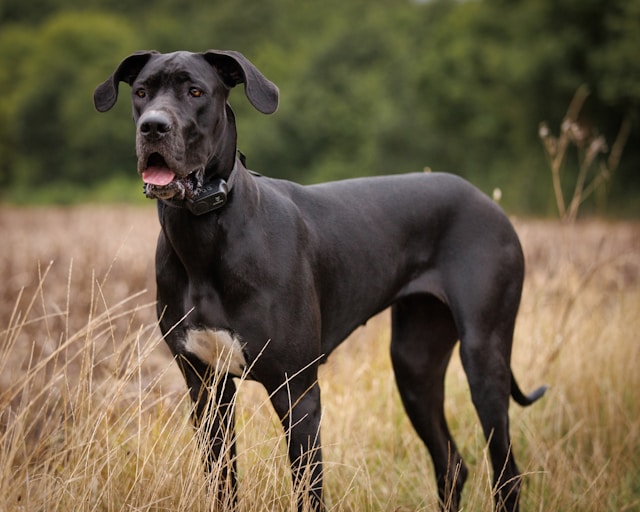
Why Great Danes Are Lovable Giants
Gentle Temperament
Despite standing up to 32 inches tall, Great Danes are famously gentle and patient. They are calm, affectionate dogs who are surprisingly good with children.
Impressive Presence
Their sheer size is a natural deterrent. Great Danes rarely need to do more than stand there to make visitors think twice, though they are usually friendly.
Calm Indoors
Contrary to what their size suggests, Great Danes are low-energy indoors. They are content lounging on the couch and do not need a mansion to be happy.
Loving Family Dogs
Great Danes adore their families and want to be involved in everything. They are loyal, sensitive dogs who do not do well left alone for long periods.
Pros
- Gentle and patient temperament despite enormous size
- Surprisingly low-energy and calm indoors
- Excellent with children when raised together
- Naturally imposing presence deters intruders
- Short coat requires minimal grooming
Cons
- Shorter lifespan of 7-10 years compared to smaller breeds
- High risk of bloat (gastric dilatation-volvulus), a life-threatening emergency
- Significantly higher costs for food, vet care, and supplies
- Can accidentally knock over small children due to size
- Requires space - large crate, vehicle access, and room to move
Care Requirements
What you need to know to keep your Great Dane healthy and happy

Exercise
45 minutes daily
Great Danes need moderate exercise - about 45 minutes of daily walks. Avoid intense exercise before age two while joints are developing. Adult Danes enjoy leisurely walks and short play sessions rather than marathon runs.

Grooming
Weekly brushing
Their short, sleek coat is low-maintenance. Weekly brushing removes loose hair and keeps their coat shiny. Regular nail trimming is important - large dog nails can cause damage if left too long.

Nutrition
Great Danes eat 6-10 cups of high-quality large-breed food daily. Feed 2-3 smaller meals rather than one large meal to reduce bloat risk. Use a slow-feeder bowl and avoid exercise right after eating.
Training Timeline
Early Manners
Start training immediately while your Dane is still a manageable size. Teach not to jump on people now - a 150-pound dog jumping later is dangerous. Begin leash walking.
Socialization & Leash Skills
Socialize extensively with people and dogs. Practice loose-leash walking daily - a pulling Great Dane is nearly impossible to control. Use positive reinforcement consistently.
Impulse Control
Focus on stay, leave it, and calm greetings. Your Dane is growing rapidly and must learn to be gentle around people. Counter-surfing prevention starts here.
Gentle Giant Manners
Continue reinforcing polite behavior. Practice calm entrances and exits, gentle play with children, and reliable recall. Obedience is essential at this size.
Health Information
Common health concerns and prevention tips for Great Dane
Common Health Issues
- Bloat (gastric dilatation-volvulus) - a life-threatening emergency
- Hip and elbow dysplasia
- Dilated cardiomyopathy (heart disease)
- Wobbler syndrome (spinal cord compression)
- Osteosarcoma (bone cancer)
Prevention Tips
- Learn the signs of bloat and have an emergency vet plan ready
- Feed multiple small meals daily using a slow-feeder bowl
- Discuss prophylactic gastropexy surgery with your veterinarian
- Choose a breeder who tests for cardiac and hip conditions
- Avoid strenuous exercise before age two to protect developing joints
Ready to Go Big with a Great Dane?
We've got everything you need to prepare for your new Great Dane
Find Great Dane Breeders