
Havanese
The Cheerful Velcro Dog
The Havanese is Cuba's national dog and a top pick for first-time owners. This small, sturdy companion thrives on human closeness, earning its 'velcro dog' reputation. With a silky coat that needs daily brushing or a practical puppy clip, the Havanese brings joy, humor, and unwavering devotion to every household.
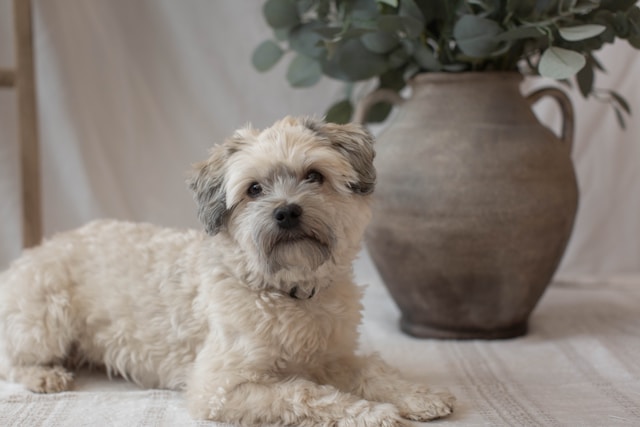
Why Havanese Are a Top First-Time Owner Pick
Deeply Bonded
Known as 'velcro dogs,' Havanese attach closely to their owners and want to be involved in everything you do.
Eager to Learn
Intelligent and people-pleasing, they respond well to positive training and can learn tricks quickly.
Apartment Friendly
Their small size and moderate exercise needs make them ideal for apartment living and smaller spaces.
Low Shedding
Their silky coat sheds minimally, making them a solid choice for people who prefer a cleaner home.
Pros
- Exceptionally friendly and social with people of all ages
- Small size makes them perfect for apartments and city living
- Intelligent and highly trainable with positive reinforcement
- Low-shedding coat that is easier on allergy sufferers
- Long lifespan of 14-16 years means many years of companionship
Cons
- Prone to separation anxiety and should not be left alone for long periods
- Daily brushing required to prevent matting, or regular grooming for a puppy clip
- House training can take longer than with some other breeds
- Can develop 'small dog syndrome' without consistent boundaries
- Susceptible to luxating patellas and eye conditions
Care Requirements
What you need to know to keep your Havanese healthy and happy

Exercise
30 minutes daily
Havanese need about 30 minutes of daily exercise through short walks, indoor play, and interactive games. They enjoy agility and tricks as mental stimulation but are not demanding athletes.

Grooming
Daily brushing or puppy clip every 6-8 weeks
The long silky coat mats easily and requires daily brushing. Many owners opt for a shorter puppy clip for easier maintenance, which requires professional grooming every 6-8 weeks.

Nutrition
Feed a high-quality small-breed formula appropriate for their age and activity level. Adults typically need 1/2 to 1 cup of dry food daily, split into two meals. Monitor weight carefully as small breeds gain weight quickly.
Training Timeline
Gentle Foundations
Begin crate training and basic house training with patience. Havanese respond best to positive methods. Start socialization with calm, positive experiences.
Socialization Focus
Expose your puppy to various people, environments, and gentle dogs. Begin short alone-time training to prevent separation anxiety from developing.
Building Independence
Continue house training with consistency. Practice leaving your Havanese alone for gradually increasing periods. Work on leash manners and recall.
Confident Companion
Reinforce independence training and advance to tricks and agility. Keep training fun and varied to engage their sharp minds.
Health Information
Common health concerns and prevention tips for Havanese
Common Health Issues
- Luxating patella - kneecap displacement common in small breeds
- Progressive retinal atrophy and cataracts
- Chondrodysplasia - a skeletal condition affecting limb development
- Liver shunts - congenital blood vessel abnormalities
Prevention Tips
- Choose a breeder who tests for eye conditions and patellar luxation
- Maintain a healthy weight to reduce joint stress
- Schedule regular veterinary checkups at least annually
- Keep teeth clean with regular brushing, as small breeds are prone to dental disease
- Monitor for any changes in gait or vision
Ready to Welcome a Havanese Home?
We've got everything you need to prepare for your new Havanese
Find Havanese Breeders Near You