
Labradoodle
The Original Designer Breed
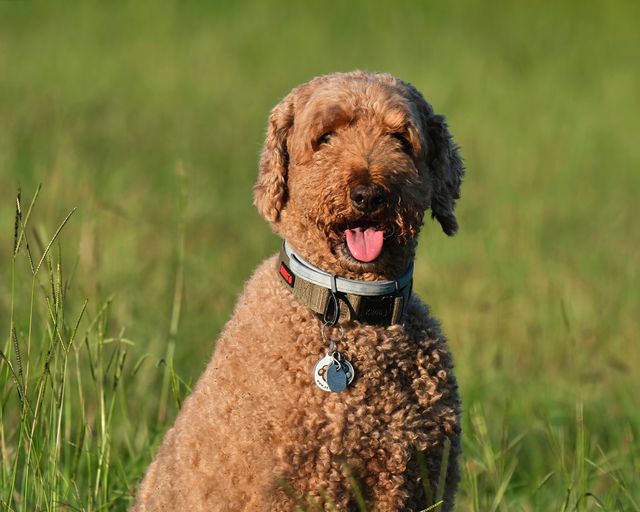
The Labradoodle was originally bred in Australia to create a hypoallergenic guide dog by crossing Labrador Retrievers with Poodles. Today, they are beloved family companions, though coat type and temperament vary. The Australian Labradoodle is a distinct multi-generation line with more predictable traits.
What to Know About Labradoodles
Higher Energy
Labradoodles tend to have more energy than Goldendoodles, inheriting the Labrador's athletic drive. They need active owners.
Quick Learners
Both parent breeds rank among the smartest dogs, making Labradoodles responsive to training and eager to work.
Coat Variety
Coats range from flat (Labrador-like, shedding) to curly (Poodle-like, low-shedding). No guarantee of a hypoallergenic coat.
Social and Loving
They are naturally sociable dogs who enjoy being around people, making them excellent therapy and family dogs.
Pros
- Intelligent and highly trainable for obedience, tricks, and service work
- Friendly and social with families, children, and other dogs
- Many have low-shedding coats suitable for allergy-conscious homes
- Athletic and enthusiastic exercise partners for active owners
- Good lifespan of 12-14 years for a medium to large breed
Cons
- Higher energy than Goldendoodles and require more daily exercise
- Coat type is unpredictable, especially in first-generation crosses
- Professional grooming every 6-8 weeks adds ongoing expense
- Not recognized as a standardized breed by the AKC
- Popularity has attracted irresponsible breeders and puppy mills
Care Requirements
What you need to know to keep your Labradoodle healthy and happy

Exercise
75 minutes daily
Labradoodles need 60-90 minutes of daily exercise through vigorous walks, runs, swimming, and active play. They benefit from activities that challenge both body and mind, such as fetch, agility, or nose work.

Grooming
Professional grooming every 6-8 weeks, brushing 3-4 times weekly
Grooming needs depend on coat type. Curly and wavy coats need frequent brushing to prevent matting. All coat types benefit from professional grooming every 6-8 weeks. Check and clean ears regularly.

Nutrition
Feed a high-quality food formulated for their size and energy level. Adults typically need 2-3 cups of dry food daily split into two meals. Active Labradoodles may need more calories to maintain a healthy weight.
Training Timeline
Early Start
Begin crate training, house training, and basic commands immediately. Their intelligence means they pick up good habits quickly, but also bad ones.
Socialization and Energy
Puppy classes are essential for channeling their energy. Socialize with various people, dogs, and environments. Start grooming desensitization early.
Focus and Control
Work on impulse control, as their exuberance can be overwhelming. Practice recall, leash manners, and calm greetings consistently.
Advanced Training
Channel their energy into structured activities like agility, therapy work, or advanced obedience. Continue reinforcing calm behavior in exciting situations.
Health Information
Common health concerns and prevention tips for Labradoodle
Common Health Issues
- Hip and elbow dysplasia - inherited from both parent breeds
- Progressive retinal atrophy and eye conditions
- Exercise-induced collapse (EIC) - inherited from the Labrador side
- Ear infections - floppy ears trap moisture and debris
Prevention Tips
- Verify health clearances for both parent dogs before purchasing
- Distinguish between Australian Labradoodles and standard crosses when researching
- Clean ears regularly, especially after water activities
- Provide regular exercise to maintain joint health and healthy weight
- Schedule annual veterinary checkups and recommended screenings
Ready to Welcome a Labradoodle?
We've got everything you need to prepare for your new Labradoodle
Find Responsible Labradoodle Breeders