
Maltese
The Elegant Little Companion
The Maltese is a refined, gentle toy breed with a silky white coat and a charming, playful spirit. For thousands of years, they have been prized as devoted lap dogs. Today, they are ideal companions for seniors, apartment dwellers, and anyone seeking a loving, portable partner.
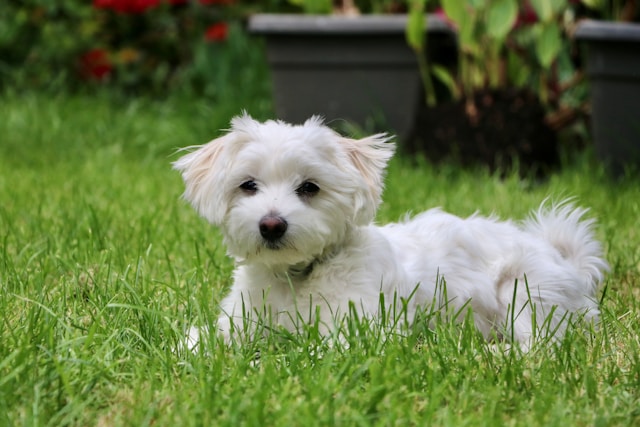
Why Maltese Are Timeless Companions
Devoted Lap Dog
Maltese live to be near their owner. They are happiest curled up beside you or on your lap, offering quiet, affectionate companionship throughout the day.
Hypoallergenic Coat
Maltese have hair rather than fur, which sheds very little. This makes them a popular choice for people with mild allergies seeking a low-shedding breed.
Playful Spirit
Despite their elegant appearance, Maltese have a lively, playful side. They enjoy games, learning tricks, and entertaining their families well into old age.
Perfect Portable Size
At under 7 pounds, the Maltese is one of the most travel-friendly breeds. They adapt easily to new environments and enjoy accompanying you everywhere.
Pros
- Very low shedding - good option for allergy sufferers
- Small size perfect for apartments and senior living
- Gentle temperament well-suited for calm households
- Long lifespan of 12-15 years
- Responsive to training and enjoys learning tricks
Cons
- Long coat requires daily brushing or a regular short trim
- Prone to tear staining beneath the eyes
- Can be difficult to house-train due to small bladder
- Fragile build makes them unsuitable for rough play with children
- May develop separation anxiety if left alone too often
Care Requirements
What you need to know to keep your Maltese healthy and happy

Exercise
20 minutes daily
Maltese need about 20-30 minutes of daily exercise through short walks and indoor play sessions. They enjoy gentle games but tire more quickly than larger breeds. A few brief outings per day keeps them happy and healthy.

Grooming
Daily brushing for long coat, or regular trimming every 6-8 weeks
A full-length Maltese coat needs daily brushing to prevent painful matting. Many owners opt for a practical puppy cut that requires less maintenance. Clean the eye area daily to manage tear staining.

Nutrition
Feed 0.25-0.5 cups of high-quality small-breed food daily, split into 2-3 meals. Maltese can be picky eaters. Avoid too many treats as even small amounts can cause weight gain in this tiny breed.
Training Timeline
Gentle Introduction
Begin socialization and basic commands using tiny, soft treats. Maltese are sensitive to tone, so keep training positive and encouraging. Start a consistent potty schedule.
House-Training Focus
Commit to a strict potty routine. Maltese have small bladders and may need outdoor breaks every 2-3 hours. Consider indoor potty pads as a backup for this small breed.
Social Confidence
Continue socializing your Maltese with different people and safe environments. Teach them to walk on a leash without being carried everywhere to build confidence.
Polished Manners
Reinforce all training and introduce fun tricks to keep them mentally stimulated. Maltese enjoy performing and are surprisingly capable learners.
Health Information
Common health concerns and prevention tips for Maltese
Common Health Issues
- Dental disease due to small, crowded mouths
- Patellar luxation (slipping kneecaps)
- Progressive retinal atrophy
- Collapsed trachea
- Liver shunt (portosystemic shunt)
Prevention Tips
- Brush teeth daily - dental disease is the top health concern
- Use a harness instead of a collar to protect the trachea
- Keep tear-stained areas clean and dry to prevent skin irritation
- Maintain regular veterinary dental cleanings
- Choose a breeder who screens for liver and cardiac conditions
Ready to Welcome a Maltese?
We've got everything you need to prepare for your new Maltese
Find Maltese Breeders