
Miniature Schnauzer
The Smart Little Watchdog
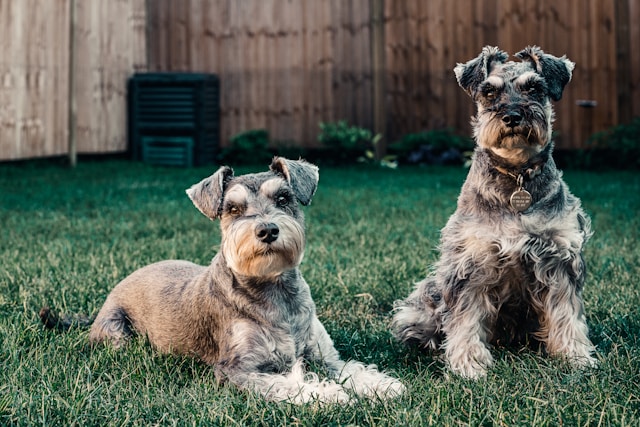
Miniature Schnauzers are spirited, intelligent terriers known for their distinctive bearded face and wiry coat. They combine the alertness of a watchdog with the affection of a companion, making them versatile pets who shed very little and adapt well to various living situations.
Why Miniature Schnauzers Stand Out
Smart and Trainable
Miniature Schnauzers are quick learners who enjoy training sessions. Their intelligence and desire to please make them responsive to commands and trick training.
Alert Watchdog
They take their watchdog duties seriously and will alert you to visitors, deliveries, and suspicious squirrels. Their bark is bigger than their bite.
Low-Shedding Coat
Their wiry double coat sheds minimally, making them a practical choice for people who prefer a cleaner home or have mild allergies.
People-Oriented
Unlike many terrier breeds, Miniature Schnauzers are genuinely people-focused. They thrive on human companionship and are happiest as active family members.
Pros
- Very low shedding - one of the cleanest small breeds
- Intelligent and responsive to training
- Sturdy build that handles active play well
- Long lifespan of 12-15 years
- Adaptable to apartments, houses, and various lifestyles
Cons
- Strong tendency to bark at everything they notice
- Distinctive beard requires regular cleaning and grooming
- Predisposition to pancreatitis - diet must be carefully managed
- Can be stubborn and test boundaries despite intelligence
- Professional grooming or hand-stripping needed every 6-8 weeks
Care Requirements
What you need to know to keep your Miniature Schnauzer healthy and happy

Exercise
45 minutes daily
Miniature Schnauzers need about 45 minutes of daily exercise through walks, play sessions, and mentally stimulating activities. They enjoy games of fetch, agility courses, and exploring on walks.

Grooming
Brushing 2-3 times weekly, professional grooming every 6-8 weeks
Their wiry coat needs regular brushing to prevent matting, especially the longer furnishings on legs and beard. Professional grooming or hand-stripping maintains the correct coat texture. Wipe their beard after meals.

Nutrition
Feed 0.5-1 cup of quality food daily split into two meals. Miniature Schnauzers are prone to pancreatitis, so a low-fat diet is important. Avoid high-fat treats and table scraps entirely.
Training Timeline
Foundation Training
Start basic commands and house training with positive reinforcement. Miniature Schnauzers are eager students at this age. Begin gentle handling for future grooming routines.
Bark Management
Address barking early by teaching a quiet command. Socialize with various people and dogs to prevent excessive alert barking from becoming a ingrained habit.
Impulse Control
Work on self-control around food, squirrels, and other distractions. Miniature Schnauzers have terrier prey drive and benefit from structured leave-it training.
Advanced Enrichment
Introduce agility, nose work, or advanced trick training to keep their active minds engaged. A bored Schnauzer will bark more and find their own entertainment.
Health Information
Common health concerns and prevention tips for Miniature Schnauzer
Common Health Issues
- Pancreatitis (inflammation of the pancreas)
- Hyperlipidemia (high blood fat levels)
- Urinary stones
- Cataracts and progressive retinal atrophy
- Mycobacterium avium complex (MAC) infection susceptibility
Prevention Tips
- Feed a controlled, low-fat diet to prevent pancreatitis
- Provide fresh water always to reduce urinary stone risk
- Schedule annual blood panels to monitor lipid levels
- Get annual eye exams from a veterinary ophthalmologist
- Choose a breeder who tests for eye conditions and MAC
Ready for a Miniature Schnauzer?
We've got everything you need to prepare for your new Miniature Schnauzer
Find Schnauzer Breeders