
Newfoundland
The Gentle Giant of the Sea
Newfoundlands are massive sweet-tempered dogs renowned for their swimming ability and lifesaving instincts. Often called nanny dogs for their patience with children, these gentle giants combine enormous strength with a remarkably tender heart.
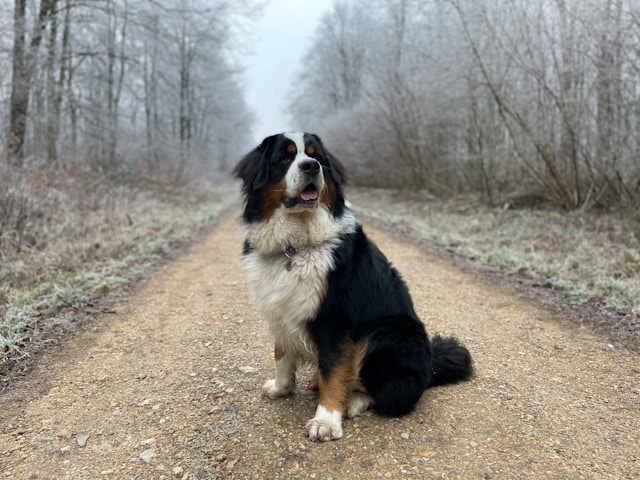
Why Newfoundlands Are Beloved Gentle Giants
Born Swimmers
Webbed feet and water-resistant coat make them natural swimmers with documented lifesaving rescues.
Incredibly Gentle
Despite weighing up to 150 pounds, famously gentle with children and called nature nannies.
Natural Protectors
Size and calm confidence provide reassuring protective presence without aggression.
Intelligent Workers
Smart and eager to please, excelling at water rescue, draft work, and therapy.
Pros
- Exceptionally gentle and patient with children
- Natural swimming ability and water rescue instincts
- Calm patient temperament ideal for family life
- Deeply loyal and protective without aggression
- Intelligent and trainable with eager-to-please attitude
Cons
- Massive size requiring significant space
- Heavy drooling especially around food and water
- Substantial grooming needs with thick double coat
- Shorter lifespan of 8-10 years
- High food costs due to enormous size
Care Requirements
What you need to know to keep your Newfoundland healthy and happy

Exercise
60 minutes daily
Newfoundlands need moderate daily exercise through walks and especially swimming. Not highly energetic but need consistent movement. Swimming is their ideal exercise.

Grooming
3-4 times per week
Thick double coat needs brushing several times weekly. Regular bathing necessary. Keep a drool cloth handy.

Nutrition
Feed high-quality giant breed formula. Adults need 4 to 5 cups daily split into two meals. Use slow feeders to prevent bloat.
Training Timeline
Gentle Beginnings
Start with basic commands and house training. Handle paws and mouth regularly for grooming comfort.
Social Growth
Socialize extensively with people, children, and other animals. Reinforce natural gentleness.
Leash and Manners
Focus on leash training while manageable size. Teach polite greetings before they grow too large to jump.
Activity Training
Introduce water activities. Continue reinforcing manners and consider therapy dog certification.
Health Information
Common health concerns and prevention tips for Newfoundland
Common Health Issues
- Hip and elbow dysplasia common in giant breeds
- Subvalvular aortic stenosis heart condition
- Cystinuria causing kidney and bladder stones
- Bloat or gastric torsion
- Cruciate ligament tears from heavy frame
Prevention Tips
- Schedule regular cardiac screenings
- Maintain healthy weight for joints and heart
- Use elevated feeders and slow-feed bowls
- Provide appropriate low-impact exercise
- Monitor for lameness or exercise intolerance
Ready for a Newfoundland?
We've got everything you need to prepare for your new Newfoundland
Find Newfoundlands Near You