
Papillon
The Butterfly-Eared Athlete
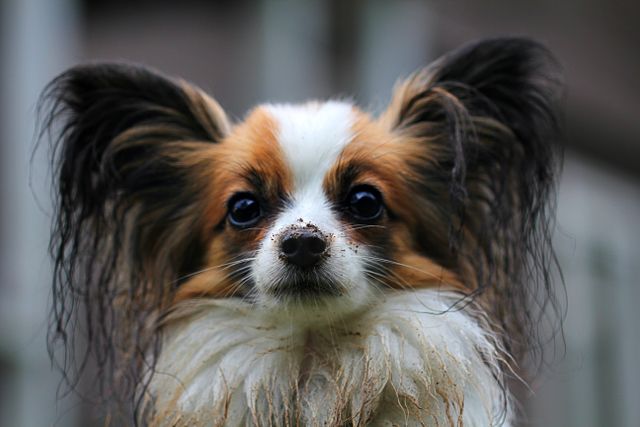
The Papillon is a small, elegant toy breed named for their distinctive butterfly-like ears. Do not be fooled by their delicate appearance - Papillons are athletic, highly intelligent, and consistently rank among the top performers in agility competitions.
What Makes the Papillon Special
Agility Star
Despite their tiny size, they consistently excel in agility and obedience competitions.
Big Dog Brain
Ranked among the top 10 most intelligent dog breeds with quick learning ability.
Long Lifespan
One of the longest-living breeds with many reaching 16 or more years.
Elegant Beauty
Their flowing coat and butterfly ears create a strikingly elegant appearance.
Pros
- Exceptionally intelligent and trainable
- Long lifespan for years of companionship
- Adaptable to apartments and houses
- Low grooming maintenance
- Excellent for agility and dog sports
Cons
- Fragile and easily injured by rough handling
- Can be yappy without proper training
- May not suit homes with very young children
- Can develop small dog syndrome
- Sensitive to cold weather
Care Requirements
What you need to know to keep your Papillon healthy and happy

Exercise
30 minutes daily
Despite small size, Papillons are active and need daily walks plus play sessions. They excel at agility and interactive games.

Grooming
Weekly
Single coat with no undercoat requires weekly brushing. No trimming needed. Surprisingly low maintenance for their elegant appearance.

Nutrition
Feed a high-quality small breed formula. Small frequent meals suit their fast metabolism. Monitor dental health as small breeds are prone to dental issues.
Training Timeline
Gentle Socialization
Handle gently and introduce to various people and safe situations. Begin basic cue training.
Brain Games
Channel their intelligence with trick training and puzzle toys. Establish basic obedience cues.
Skill Building
Introduce agility equipment and advanced tricks. They learn quickly and love mental challenges.
Advanced Activities
Compete in agility or obedience if desired. Continue learning new tricks to keep their active minds engaged.
Health Information
Common health concerns and prevention tips for Papillon
Common Health Issues
- Patellar luxation
- Progressive retinal atrophy
- Dental disease
Prevention Tips
- Regular dental care and cleaning
- Annual eye examinations
- Maintain healthy weight
- Protect from rough play and falls
Is the Papillon Right for You?
We've got everything you need to prepare for your new Papillon
Take the Quiz