
Pug
The Charming Clown of the Dog World
Pugs are beloved companion dogs known for their wrinkled faces, expressive eyes, and playful personalities. These compact comedians thrive on attention, making them ideal pets for families and apartment dwellers alike.
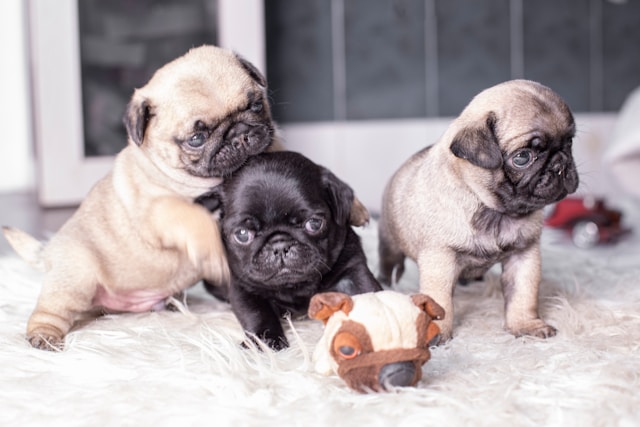
Why Pugs Make Wonderful First-Time Pets
Natural Comedians
Pugs have an innate ability to make you laugh with their silly antics and expressive faces.
Apartment Friendly
Their small size and moderate exercise needs make them perfect for apartment living.
Affectionate Companions
Pugs live to love and be loved, forming incredibly strong bonds with family members.
Great with Everyone
Naturally sociable, Pugs get along well with children, dogs, and even cats.
Pros
- Incredibly affectionate and devoted to their families
- Compact size perfect for apartments and small spaces
- Low exercise requirements compared to larger breeds
- Excellent with children and other household pets
- Adaptable personality that fits various lifestyles
Cons
- Brachycephalic breed prone to breathing difficulties
- Sensitive to extreme heat and cold temperatures
- Can be stubborn during training sessions
- Prone to obesity if diet is not carefully managed
- Significant shedding despite their short coat
Care Requirements
What you need to know to keep your Pug healthy and happy

Exercise
30 minutes daily
Pugs need about 30 minutes of moderate exercise daily through short walks and indoor play. Avoid strenuous activity in hot or humid weather.

Grooming
2-3 times per week
Brush their short coat regularly to manage shedding. Clean facial wrinkles daily to prevent infections. Regular nail trimming is essential.

Nutrition
Feed a measured high-quality diet to prevent obesity. Adults need 0.5 to 1 cup daily split into two meals. Avoid free-feeding.
Training Timeline
Foundation Building
Start with house training, crate training, and basic commands. Use treats strategically as Pugs are highly food motivated.
Social Development
Introduce to various people, places, and gentle dogs. Keep training sessions short and fun.
Consistency Training
Work on reliable recall and leash walking. Be patient with their stubborn streak.
Mature Reinforcement
Continue reinforcing good behavior. Pugs respond well to routine and enjoy learning tricks for treats.
Health Information
Common health concerns and prevention tips for Pug
Common Health Issues
- Brachycephalic obstructive airway syndrome
- Pug dog encephalitis, a neurological condition
- Eye problems including corneal ulcers and dry eye
- Patellar luxation affecting knee stability
- Skin fold infections requiring regular cleaning
Prevention Tips
- Keep your Pug at a healthy weight to ease breathing
- Clean facial wrinkles daily with gentle wipes
- Avoid exercise in extreme heat or humidity
- Schedule regular veterinary and eye examinations
- Monitor for signs of respiratory distress
Ready to Bring Home a Pug?
We've got everything you need to prepare for your new Pug
Find Pugs Near You