
Shetland Sheepdog
The Brilliant Miniature Herder
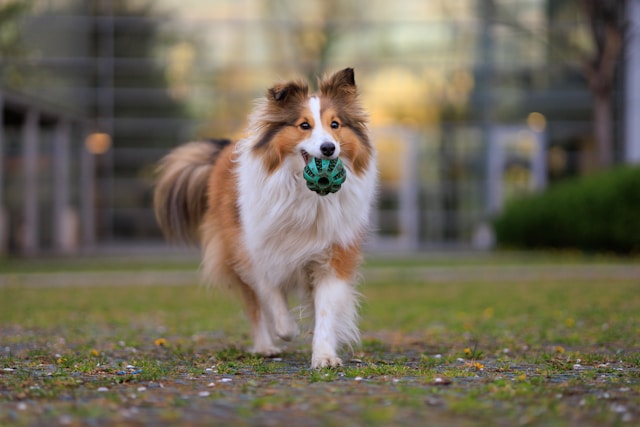
The Shetland Sheepdog is a distinct breed (not a miniature Rough Collie) with remarkable intelligence and agility talent. Shelties are devoted, sensitive companions who excel in training but can be vocal and heavy shedders. Without proper socialization, they may become shy or reserved around strangers.
What Makes Shetland Sheepdogs Special
Exceptionally Smart
Ranked among the top 10 most intelligent breeds, Shelties learn commands quickly and excel in obedience and agility competitions.
Agility Champion
Their speed, intelligence, and eagerness make them natural agility stars. They thrive when given a job or purpose.
Devoted Companion
Shelties form intense bonds with their owners and are deeply sensitive to moods and emotions.
Alert Watchdog
They take their watchdog role seriously, barking to alert you of anything unusual. This can become excessive without training.
Pros
- Highly intelligent and eager to please, making training rewarding
- Excels in agility, obedience, and rally competitions
- Devoted and sensitive companion who bonds deeply with owners
- Good with children when properly socialized from a young age
- Manageable size that works in various living situations
Cons
- Heavy shedding, especially during seasonal coat blowouts
- Vocal breed that barks frequently and needs bark training
- Can become shy or fearful without early and ongoing socialization
- Herding instinct may lead to nipping at heels of running children
- Sensitive temperament requires gentle, positive training methods only
Care Requirements
What you need to know to keep your Shetland Sheepdog healthy and happy

Exercise
60 minutes daily
Shelties need about an hour of daily exercise combining walks, play, and mental challenges. They especially thrive with agility training, fetch, and interactive puzzle toys that engage their sharp minds.

Grooming
2-3 times per week, daily during shedding season
Their thick double coat requires regular brushing to prevent mats, especially behind the ears and on the legs. Heavy shedding occurs twice yearly and demands daily brushing sessions.

Nutrition
Feed a high-quality dog food appropriate for their size and activity level. Adults typically need 3/4 to 2 cups daily split into two meals. Active Shelties in agility training may need slightly more calories.
Training Timeline
Confidence Building
Begin gentle socialization immediately. Expose your Sheltie puppy to diverse people, sounds, and environments in positive, low-pressure ways to prevent shyness.
Socialization Priority
Enroll in puppy classes for structured socialization. Start basic obedience and begin teaching a 'quiet' command early, as barking habits form quickly.
Skills and Focus
Introduce agility foundations and more advanced commands. Continue socialization and reinforce quiet behavior. Channel herding instincts into appropriate activities.
Advanced Activities
Pursue agility, rally, or trick training to keep their brilliant minds engaged. Continue reinforcing social confidence with regular new experiences.
Health Information
Common health concerns and prevention tips for Shetland Sheepdog
Common Health Issues
- Collie eye anomaly (CEA) - a hereditary eye condition
- Hip dysplasia - joint condition affecting mobility
- Dermatomyositis - an inflammatory disease of the skin and muscles
- Von Willebrand disease - a blood clotting disorder
- Thyroid disorders including hypothyroidism
Prevention Tips
- Choose a breeder who tests for CEA, hip dysplasia, and vWD
- Schedule annual eye examinations with a veterinary ophthalmologist
- Monitor for skin changes or muscle weakness that may indicate dermatomyositis
- Maintain a healthy weight and regular exercise routine
- Watch for signs of thyroid issues such as weight gain or lethargy
Ready to Welcome a Shetland Sheepdog?
We've got everything you need to prepare for your new Shetland Sheepdog
Find Sheltie Breeders Near You